
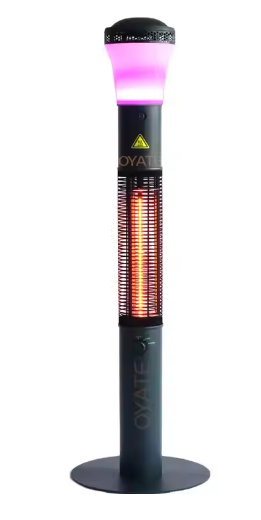
Infrared Heaters with Tip-Over Protection: The Real-World Guide
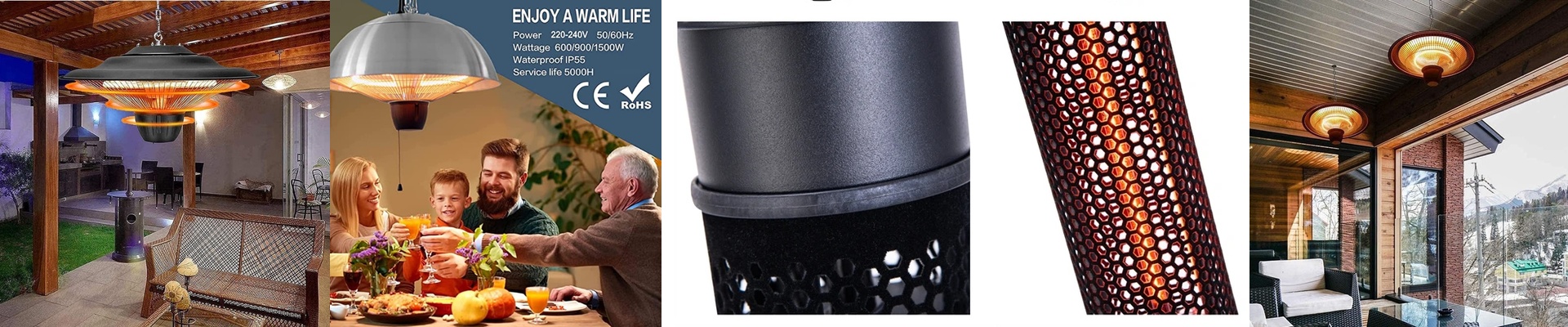
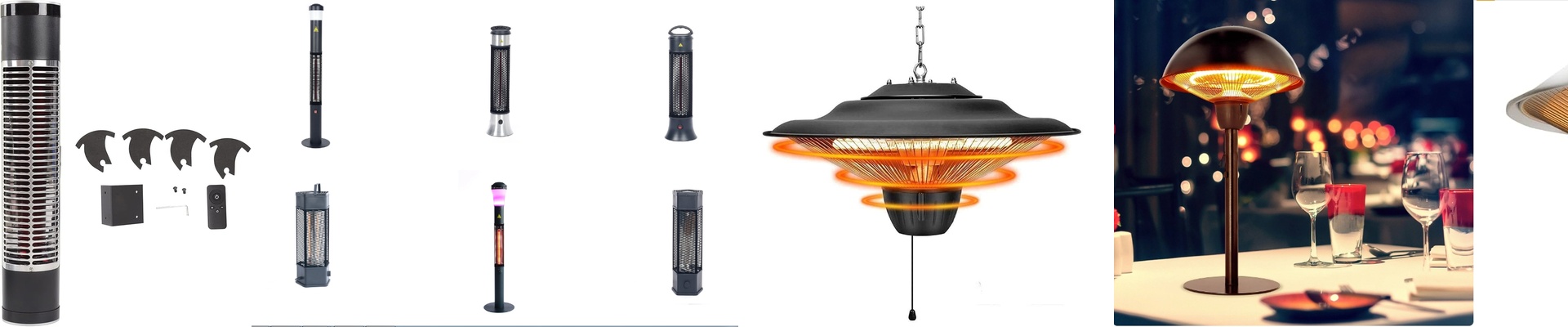
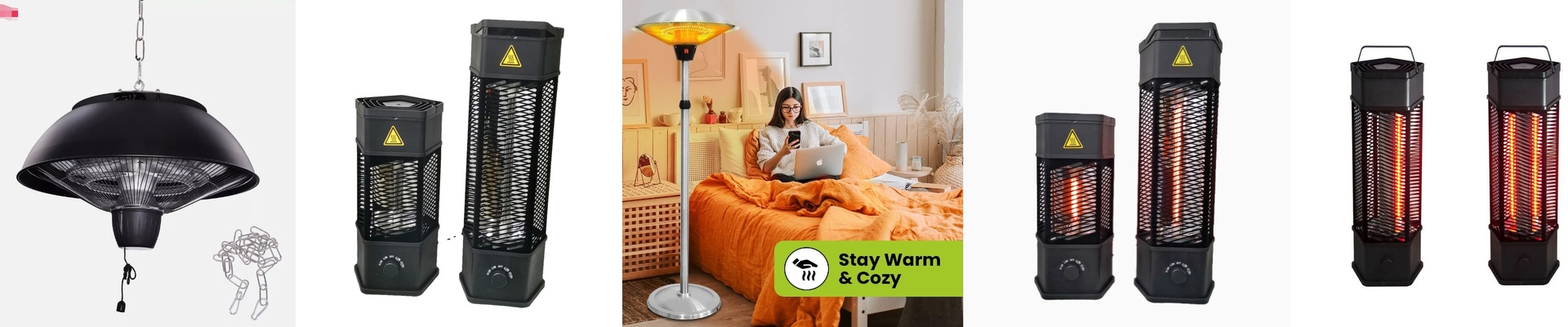
Imagine you’re in a workshop, cold enough to see your breath, and you need heat right now—where you need it, not all over the place. That’s where an infrared heater with tip-over protection comes in. It’s built for focused, line-of-sight warmth. Think machine enclosures, drying stations, tight production corners. The heat is fast, direct, and doesn’t stir up air. And the tip-over switch? It’s your safety net. If the unit gets bumped or mounted wrong, it cuts power immediately.
Power, Voltage, and Geometry—Kept Simple
Infrared heat works by warming objects directly, not the air around them. That’s why it feels so immediate. Most industrial setups run on 220–240V or 400V, with wattages typically between 1000W and 2500W. The tube length is usually around 300mm, and that choice matters. Shorter tubes concentrate heat into a smaller area—perfect for narrow lanes or warming specific components. Going with higher voltage lets you use thinner wiring over longer runs, which makes installation cleaner and less of a headache. But here’s the catch: serious heat density means you need to plan for it. A 400V 2500W unit throws off a lot of heat, so your mounting bracket and the surrounding area have to handle the temperature rise. Cooling, airflow, and clearance aren’t afterthoughts. They’re part of the setup.
What’s Inside: Halogen, Quartz, and the Right Connectors
Inside, you’ll usually find a halogen element housed in a quartz envelope. Quartz can take the heat swings without cracking, unlike regular glass. And the halogen cycle helps keep the element cleaner over time, which means more stable output and a longer life. Coating matters, too. Dust and residue on the outer surface act like insulation, and that hurts performance. A coated or easy-clean surface helps the heater radiate at the power it’s meant to. On the install side, connectors like R7s and SK15 are popular for a reason. They lock in place, handle high temperatures, and make swapping out heaters quick and painless—just a straight replacement.
Where It Shines, and How to Keep It Honest
Infrared heaters are a natural fit when you need rapid heat-up and repeatable control—machine enclosures, component drying, localized process heating. And that tip-over protection? It’s not just a checkbox. It prevents runaway heating if the mount gets jostled or the unit takes a spill. That peace of mind matters when the workday gets busy. Here’s the part that surprises a lot of people: a dirty heater surface costs you energy. When grime builds up, it blocks radiation, forcing the element to run hotter to hit the same target. That means higher watt draw and shorter component life. Maintenance is straightforward:
- Power down and let it cool.
- Wipe the outer tube.
- Check the mount and the safety switch. Keep the surface clean, and the heater keeps performing like it’s supposed to—steady output, predictable energy use, and fewer headaches.