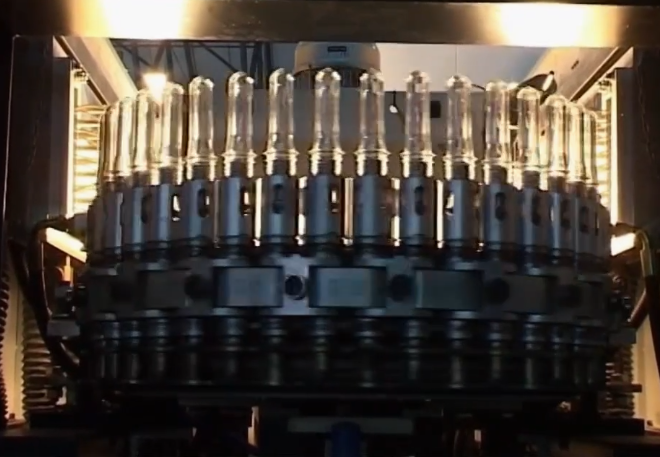
On a line that’s maxed out, the SIPA linear blow molder is just sitting there, waiting on the heater. If the preform temperature starts drifting, stretch becomes inconsistent, you get thick spots, and scrap piles up. And if you have to shut down just to swap in an emitter that doesn’t match, the whole shift plan is gone. We built the SIPA linear blow molder heater to break that cycle. What matters under the hood We match the SIPA heating tunnel geometry with short-wave infrared quartz emitters—sized to OEM watt density and lamp length. Output is tuned to the absorption peak for PET, so the surface heats fast while the wall stays even. Each heater uses R7s connectors and the correct voltage, so it plugs in without rewiring. The reflector layout follows the same focal pattern as the original, which keeps the temperature profile consistent across the preform row. Why it holds up on the floor You’re still running the same bottle weights, the same cycle targets, the same scrap limits—only now the heater holds setpoint instead of chasing it. That translates to fewer thickness swings, fewer pinholes, and more bottles landing inside spec. Energy use drops because the emitter comes up to temperature quickly and cycles on/off with tight control. And because it’s a direct fit, you spend less time on maintenance and more time actually producing. A few shop-floor notes Installation is straightforward, but the heating window is sensitive. Keep the emitter and reflector clean, and make sure the thermocouple position matches the original—being off by a few millimeters can shift the reading and throw the profile off. Also, ambient drafts and cooling airflow around the tunnel will change performance, so lock those conditions down before you finalize the settings.