


Getting Your Sidel Matrix Oven Back in Sync
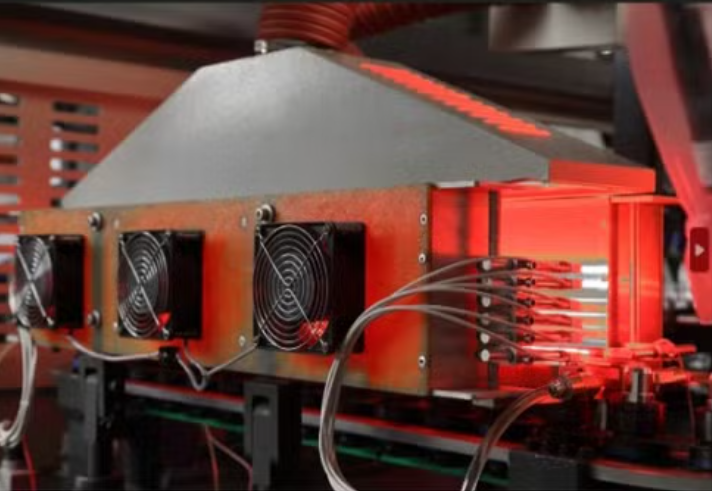
Ever swapped out OEM lamps in a Sidel Matrix oven and noticed things just… felt off? Maybe the heating curves started acting up. Maybe you started seeing pearlescence in the bottles or the wall thickness was all over the place. It happens. If the wattage or the light spectrum shifts even a tiny bit, your preform temperature swings. And in this business, a tiny swing is a big problem. We fix this by building exact clones of the original specs. No guessing. The nitty-gritty of the heat We do more than just match the wattage. That’s the easy part. The real trick is aligning the voltage and the filament length. Why? Because we need the heat density per millimeter to be exactly what the factory intended. If that’s off, you get “hot spots” or cold zones on your preform. We obsess over the tungsten filament and the quartz envelope to hit the right resistance. That way, when you plug them in, the current draw plays nice with your existing power controllers. It just works. Fit and finish We use high-purity fused quartz because these things take a beating with rapid thermal cycling. These are true drop-in replacements. The length, the end-cap connectors—it all fits the Sidel sockets exactly as they are. No modifications, no “making it fit.” Plus, we calibrate the halogen cycle to stop the filament from evaporating. It keeps the lamps from burning out too early when you’re pushing the machine hard. A quick heads-up on your hardware Here’s the thing: matching the thermal curve is pure physics, but it puts a real load on your gear. High-wattage shortwave lamps put out an intense amount of heat. If your oven’s cooling blowers are clogged with dust or just plain worn out, you’re going to have a problem. Even the most perfectly spec’d lamp will overheat the quartz envelope if the airflow is choked. That’ll kill your tubes way faster than they should go. We provide the heat, but your ventilation is what keeps everything stable. Keep those blowers clean.