Stop Waiting on Your Oven to Catch Up
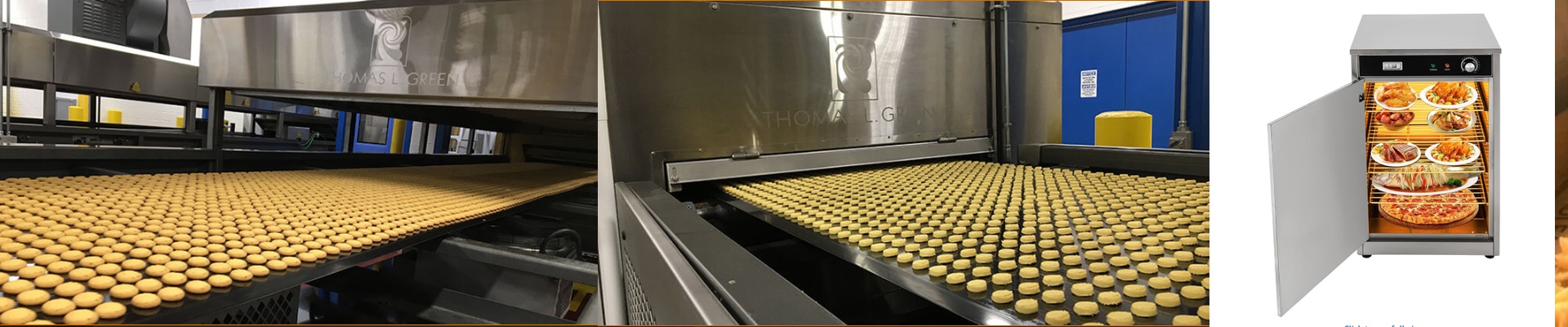
If you’ve ever run a high-volume bakery line, you know the frustration of waiting. Standard heating elements are slow. You’re just sitting there, watching the clock, waiting for a coil to finally get hot enough to do its job. It kills your rhythm, wastes power, and slows down your entire beat rate. That’s why we switched to short-wave infrared (SWIR) halogen tech. It turns those long minutes of waiting into a few quick seconds.
How it actually works
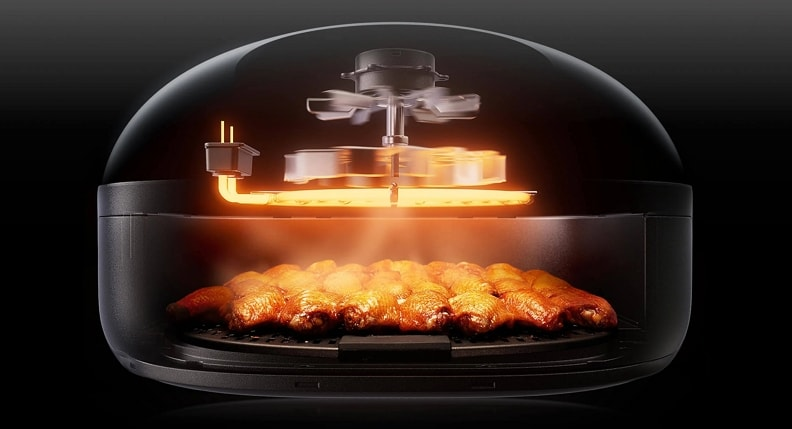
Most ovens try to heat the air first, and then hope the air heats the food. It’s an indirect process. Our infrared lamps just skip the middleman. They send heat straight to the surface of your product. Think of it like stepping into direct sunlight on a cold day. You feel the warmth instantly. You flip a switch, and the heat is just there. By packing in more wattage, we create an immediate thermal hit. This lets you tighten up your production cycle and push more product through the line without needing to buy a bigger oven or find more floor space.
The guts of the machine
We build these using high-purity quartz glass and tungsten filaments. Now, usually, that kind of intense heat would burn a filament out pretty fast. To stop that, we fill the lamps with halogen gas. It basically recycles the tungsten back onto the filament, so the lamps can handle the stress of constant on-and-off cycles without quitting on you. As for the setup? It’s simple. We use standard R7s or Sk15 connectors. If a lamp goes, you just pop it out and drop a new one in. No need to tear apart the whole chassis or spend your afternoon rewiring things.
A few things to keep in mind
Here’s the catch: this much power in such a small space is a lot for your system to handle. Since these lamps hit peak temp almost instantly, they pull a heavy load from your power supply. You’ll want to make sure your PID controllers and relays are up for the task. And a quick tip—double-check your cooling fan placement. If the air isn’t moving right, you might cook the housing along with the food. But for anyone running a fast line, the tradeoff is worth it. You get rid of that annoying pre-heat lag and can tweak your temps on the fly. It stops the energy bleed and, more importantly, gets more product out the door every hour.