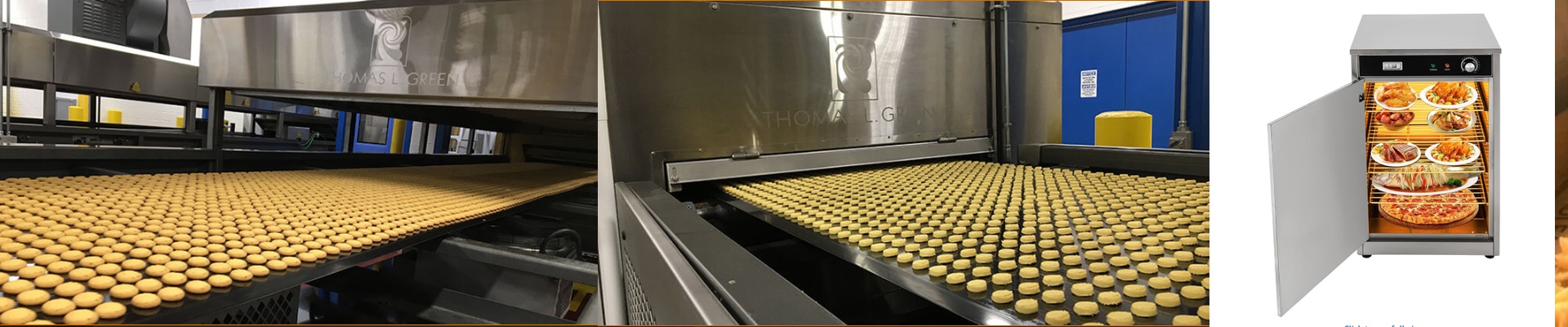
Why We Use Carbon Fiber for Oven Heat
If you’re running an automated kitchen, you know the struggle. You need that crust to be perfect every single time, but getting the crumb structure right is a balancing act. That’s why we stopped relying on old-school metal coils and switched to carbon fiber heating elements. They’re just faster. Instead of waiting for a big piece of metal to warm up, these elements shoot short-wave infrared radiation straight into the dough. It’s a direct hit.
Getting the Hardware to Actually Listen
Here is the tricky part: your heating element and your PLC have to be on the same page. Most heavy heaters—think cast iron or thick tubes—have a lot of “thermal mass.” They take forever to heat up, and even worse, they keep cooking after you’ve already turned the power off. That’s how you get “overshoot,” and that’s how you burn your product. Carbon fiber is different. It’s practically instant. If your sensor picks up a 2-degree spike, the system cuts the power, and the heat stopsright now. No lingering heat. No guesswork. Just a tight, controlled window of temperature.
Dialing in the Specs
We don’t just throw these in; we customize them based on how much space you have and how much heat you actually need. Usually, we spend a lot of time tweaking the wattage per centimeter. Why? Because nobody wants hot spots on their bread. Now, you can crank up the wattage to push more product through the line, but be careful. That puts a lot of stress on your power supplies. Make sure your SSRs (Solid State Relays) can handle the peak current. And for heaven’s sake, give them enough heat sinking, or you’ll be replacing burnt-out relays more often than you’d like.
The Trade-off
Look, carbon fiber is efficient, but it’s not indestructible. It’s actually pretty fragile. If something hits it or if the conveyor vibrates too hard, it can snap. To stop that from happening, we wrap the fibers in quartz glass. It does the job, but it introduces a new problem: thermal shock. If the glass is screaming hot and a blast of cold air hits it, it can crack. It’s all about managing the airflow. Keep it steady, and the system works like a charm.