Stop Settling for “Close Enough” IR Lamps
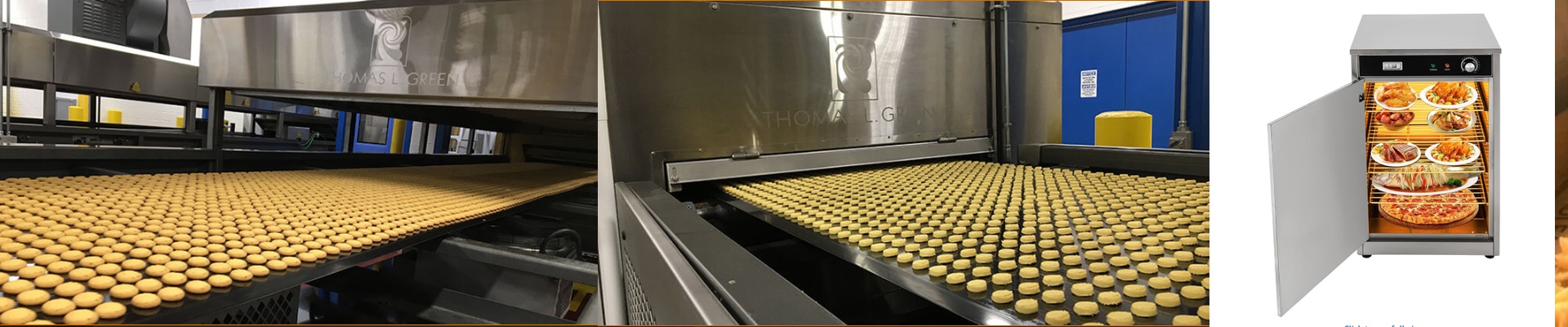
If you’re a maintenance engineer, you’ve probably been there. You’re staring at a deck oven with a weird footprint, and nothing in the catalog actually fits. You try a stock lamp, but it’s either too long for the brackets or it leaves those annoying cold spots that mess up your bake. It’s a headache. We get it. That’s why we don’t just sell “off-the-shelf.” We build emitters that actually fit your specific geometry and electrical needs. Getting the heat right When you’re sterilizing, you’re walking a thin line. You need enough punch to kill the germs, but not so much that you scorch your product. To nail that balance, we play around with the filament density and the thickness of the quartz. Need a ton of power packed into a tiny tube? We can crank up the current density. Just a heads-up: make sure your power supply can handle that extra amperage, or you’ll be replacing a burnt-out lamp way sooner than you’d like. The nitty-gritty on materials We use high-purity quartz because it lets the IR light through without fighting it. For these deck ovens, we often add special coatings. This pushes the emission into the short-wave range, which means the heat sinks in faster. And we won’t make you rebuild your entire chassis just to plug the thing in. Whether you need R7s, SK15, or just some custom solder lugs, we’ll make it work with what you’ve already got. The reality check Custom lamps are great because they let you keep a small footprint while hitting your ramp-up times. But there’s a trade-off. When you squeeze high wattage into a small space, the end caps take a beating. To stop the glass from cracking during those rapid heat cycles, we carefully balance the filament length against the voltage. We make sure the lamp doesn’t run too hot for its own good. One last thing: if you’re upgrading to a higher-power lamp, take a look at your ventilation. You’ll want to make sure your oven can actually breathe and clear out that extra ambient heat.