Dealing with Heat Issues in KHS Blow Molders
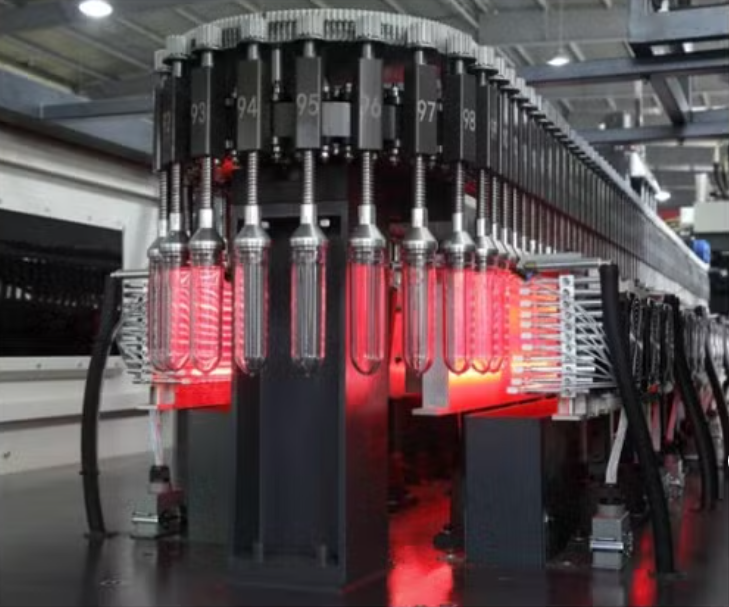
If you’ve spent any time running KHS blowing machines, you know the headache of uneven heating. It’s frustrating. You look at your finished bottles and there it is—thin walls in some spots or that annoying pearlescence in others. Usually, it comes down to the heat field being off. We’ve found that swapping out your standard bulbs for precision-engineered domestic IR lamps usually clears these gaps right up. The trick is all about heat density. To get that perfect, uniform stretch, you need the right amount of wattage per centimeter. We build our lamps to fit KHS footprints exactly. This is huge for high-speed lines because you need a lamp that hits its operating temperature immediately and just stays there. No drifting. By using high-voltage quartz tubes, we can pack more power into a shorter length. It means the preform actually hits the glass transition temperature consistently from top to bottom. No more guessing. It’s also about how they’re built. We use heavy-wall quartz glass. Why? Because thin glass bows when things get hot, and that ruins your focus. These are simple drop-in replacements. Whether you’re using R7s or SK15 connectors, the fit is tight. That might sound like a small detail, but a loose socket creates electrical resistance. That leads to arcing, and before you know it, your lamp is burnt out. We keep the end-cap seals tight to keep oxygen out of the halogen cycle, which just makes the lamps last longer. A quick heads-up on the real-world stuff. These lamps use a concentrated shortwave IR spectrum. It sinks deeper into the PET plastic than longwave heat does, giving you a much more stable thermal profile across the oven. But here’s the thing: if you crank up the heat density to fix cold spots, you’re putting more stress on your ventilation. If you’re pushing higher wattage just to make up for dirty or worn-out reflectors, your cooling fans are going to be working overtime to keep the preforms from scorching. Do yourself a favor—check your reflectors before you swap the lamps. It’ll save you a lot of trouble.