Stop the Headache of Heating Fluctuations in Your SIPA Rotary Machines
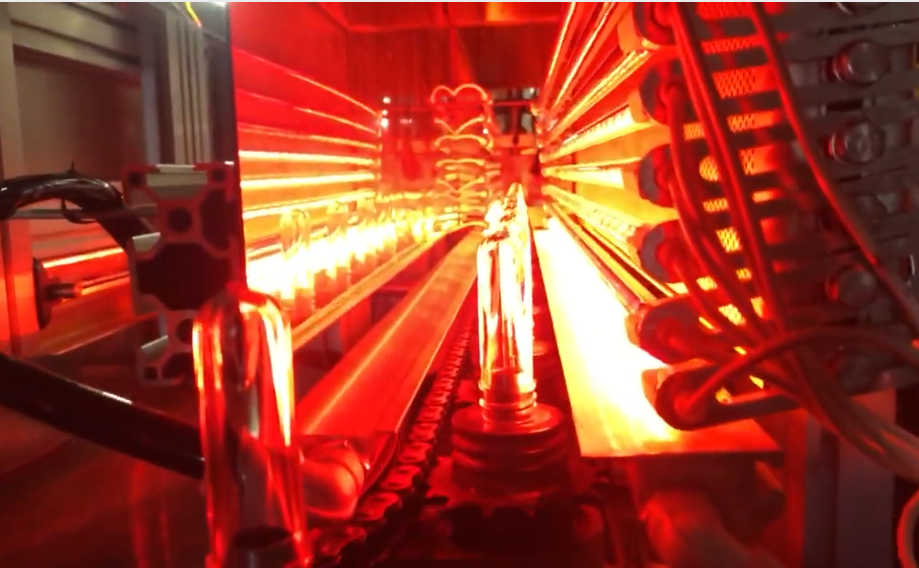
Ever notice your bottles coming out with weird wall thickness or just plain deformed? It’s frustrating. Most of the time, the culprit is inconsistent heating in the oven. Here is the real secret: it usually happens when you swap in replacement IR lamps that aren’t a perfect match for the factory specs. You might think a tiny difference in wattage doesn’t matter, but it does. That small gap creates hot spots and cold zones. We fix this by making sure the power matches 100%. No guessing. Why the physics actually matter We build these lamps to hit the exact voltage and current your SIPA oven expects. Think about it this way: when you mix and match lamps with different power densities, your PID controller basically has a meltdown trying to stabilize the temperature. A 5% difference in wattage looks tiny on a spec sheet, but it completely changes how the heat hits the PET resin. We make sure the wattage-per-centimeter is identical across every single tube. That’s how you get a flat, consistent heat profile. The gear under the hood We use shortwave quartz halogen lamps. But we don’t just stop there. We apply specific coatings to shift the emission spectrum. This means the energy actually sinks into the PET preform instead of just scorching the surface. As for the connectors—usually R7s or SK15—they’re built to handle the constant vibration of a running plant. They stay put. They don’t wiggle loose. Now, a quick warning. Quartz is great for handling rapid heat cycles, but it’s fragile.Please, tell your team: no bare hands. Skin oils leave invisible marks that create hotspots. When the lamp heats up for the first time, those spots can make the quartz crack. Just use lint-free gloves. It saves you a lot of money and downtime. Getting them running These are simple drop-in replacements. You just wire them into your existing SIPA circuitry and you’re good to go. No need to spend hours recalibrating the whole oven. One thing to keep in mind, though. If you’re pushing for maximum heat density, your cooling fans are going to work harder. If your blow-molding area is already feeling like a sauna, double-check your airflow. You don’t want your lamp sockets melting because the air isn’t moving.