Stop Fighting With Your IR Lamps
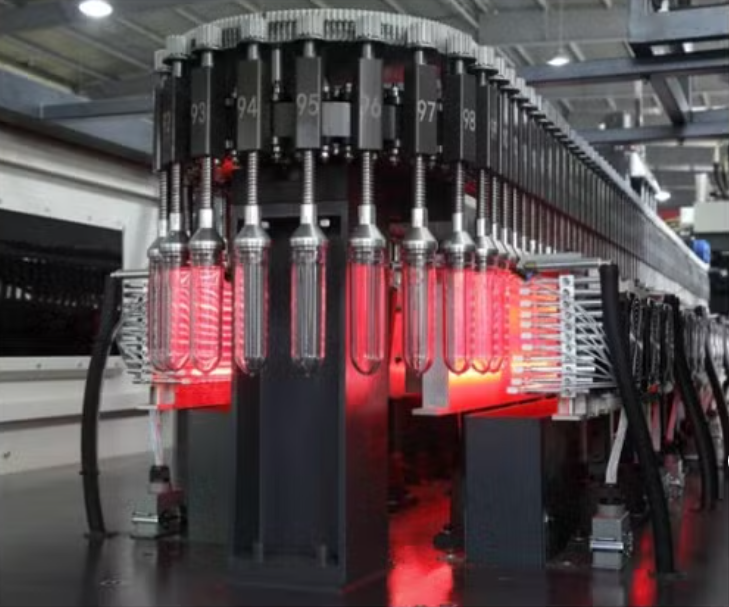
Let’s be honest: there’s nothing more frustrating than a PET blowing line that just won’t stay consistent. Usually, it comes down to the IR lamps. They either don’t fit the footprint or they clash with the machine’s voltage, and suddenly you’re staring at uneven heat and a lot of wasted plastic. We got tired of seeing people struggle with that. So, we built our lamps to be true drop-in replacements. They work with about 95% of the equipment out there. No custom mods, no headaches. You just swap them in and get back to work. Getting the power right Rapid preheating takes a lot of juice. To handle that, we tweaked the geometry of the tungsten filament. This lets the lamps play nice with different regional power grids while still hitting that high heat density needed to soften the PET preform fast. One quick tip: just double-check that your transformers and wiring can handle the wattage. If they can’t, you’re asking for a burnout, and nobody wants to deal with that mid-shift. The nitty-gritty on materials We use high-purity quartz glass because these things go through a lot of thermal shock. It’s a brutal environment. We also add a halogen gas fill to keep the filament from evaporating, which basically means your lamps last longer. As for the plugs? We stick to R7s and SK15 connectors. They’re the industry standards for a reason. It means you can switch brands without having to rewire your entire socket array. It’s simple. Real-world use These belong in the oven section. They use short-wave radiation to hit the PET material exactly where it needs to go—reaching that glass transition temperature without melting the neck of the bottle. But here’s the thing: these lamps runhot. Make sure your cooling blowers are actually doing their job. If the airflow gets blocked, the quartz envelope can overheat and pop. To save you from the nightmare of OEM lead times, we keep these in stock and ready to ship. You get your parts now, not in three months.