
Why Ceramic Heaters Actually Matter for Your Rotary Oven
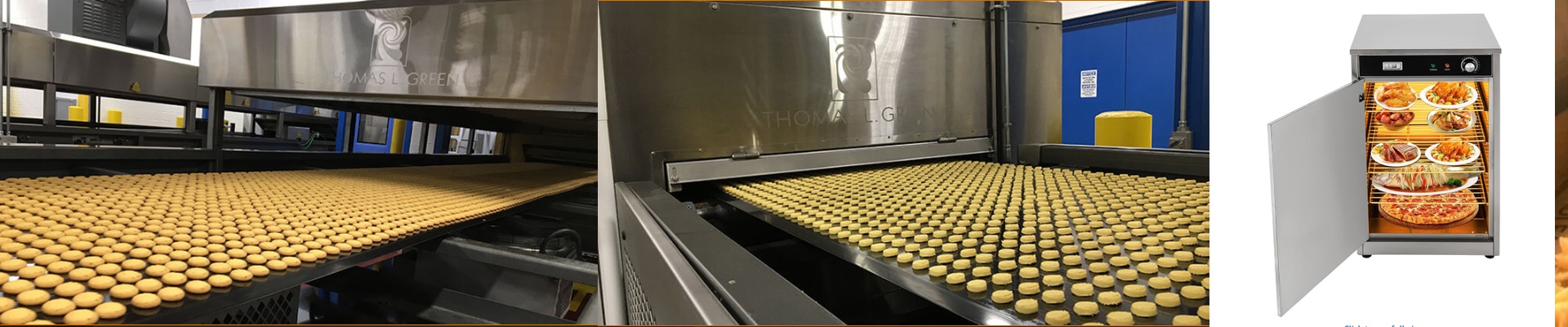
In the baking world, a single degree is a big deal. It’s the difference between a perfect, golden-brown crust and something that just looks… off. That tiny shift messes with the Maillard reaction, and suddenly your crumb texture isn’t where it needs to be. That’s why we lean on ceramic heaters. They’re built specifically for the chaos of a rotary oven—the constant spinning and those brutal heat cycles.
Keeping the Heat Steady
Here is the thing about ceramic: it holds onto heat in a way that metal just can’t. Cheap systems often have this “sawtooth” effect where the temperature jumps up and down constantly. It’s frustrating. Ceramic smooths that out. Because they radiate heat so evenly, you don’t end up with those annoying cold spots that leave half your batch pale while the other half is burnt.
Built for the Grind
Rotary ovens are tough environments. There’s a lot of physical stress on the hardware. We wrap the internal resistive wire in a ceramic housing to keep it from oxidizing or burning out too early. Plus, these units pack a lot of power. When you swing that oven door open and all the heat rushes out, these heaters kick in fast to get you back to your set-point. One quick tip: your PID controllers need to be tuned differently for ceramic than they would be for quartz. Ceramic takes a bit longer to react. If your sensors are in the wrong spot, you’ll feel a lag in the system, and your timing will be off.
Getting Them Installed (and Keeping Them Running)
These are designed to be simple drop-in replacements. No need to overcomplicate it. We use heavy-duty terminals because nobody wants to deal with arcing at the connection points. But remember, ceramic can be brittle. It doesn’t like being shaken. I’d suggest checking your mounting brackets for vibration wear every six months just to be safe. One last thing—keep an eye on your power supply. High-density ceramic elements pull a lot of current. If your wiring gauge is too thin, you’ll get voltage drops. And when the voltage drops, your temperature precision goes right out the window.