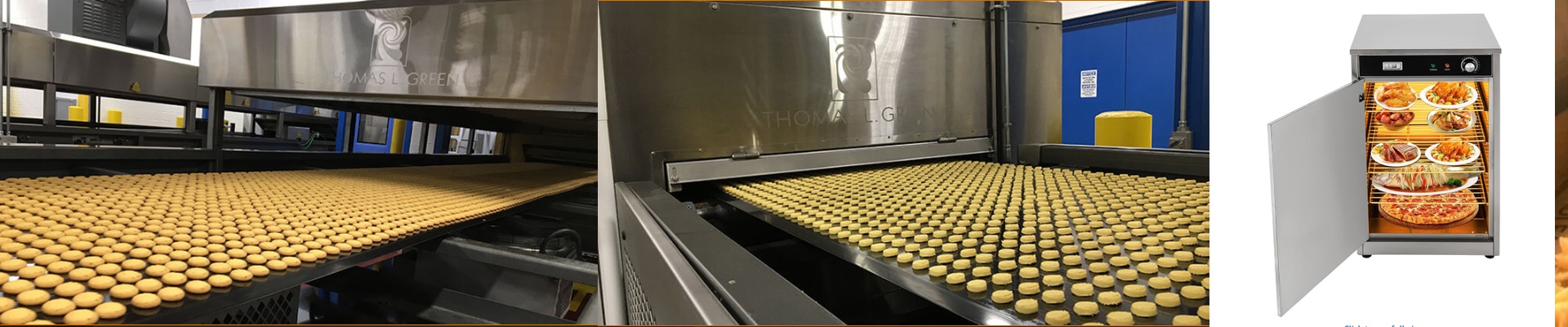
Every shift starts with the oven. You’re burning time waiting on preheat, tickets stack up, and the first pies come out uneven—one side pale, the other scorched. That’s not just a delay. It’s a direct hit on crust, on control, and on the whole rhythm of the line.
What matters under the hood
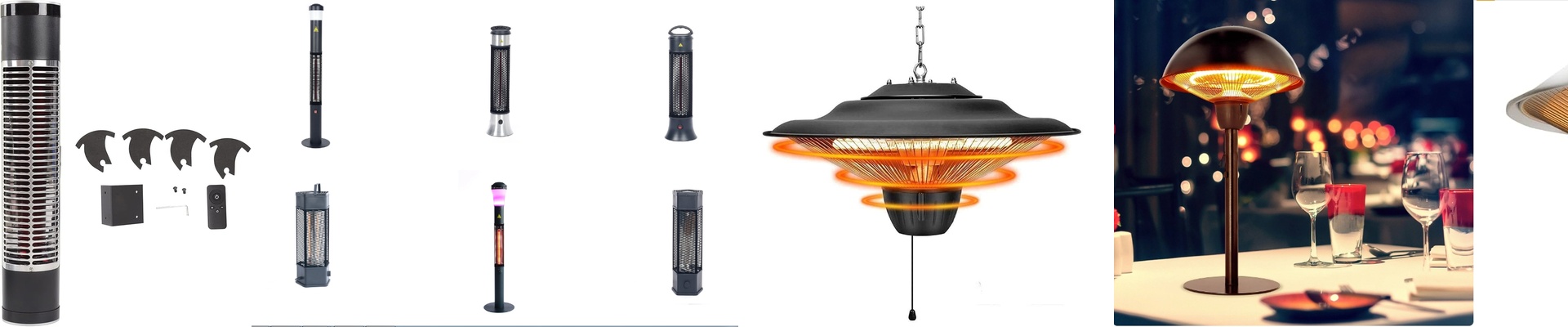
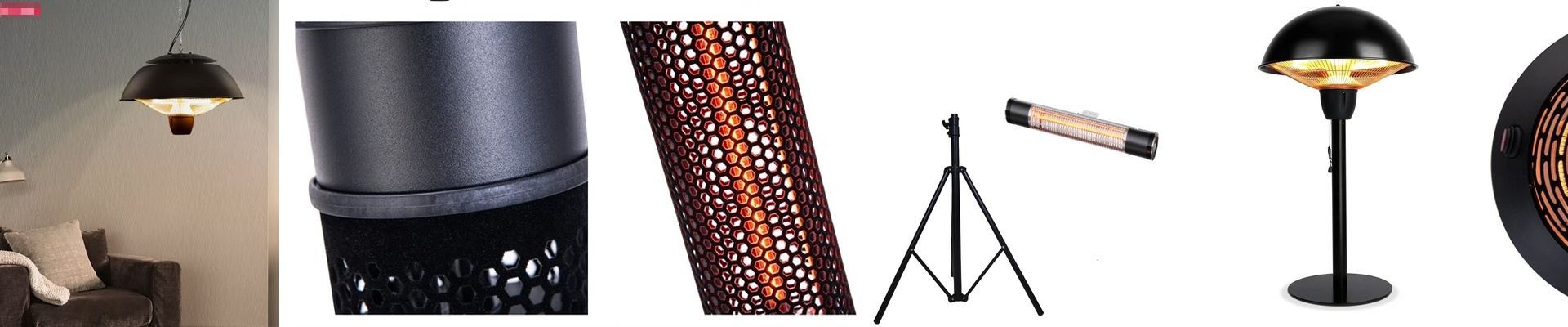
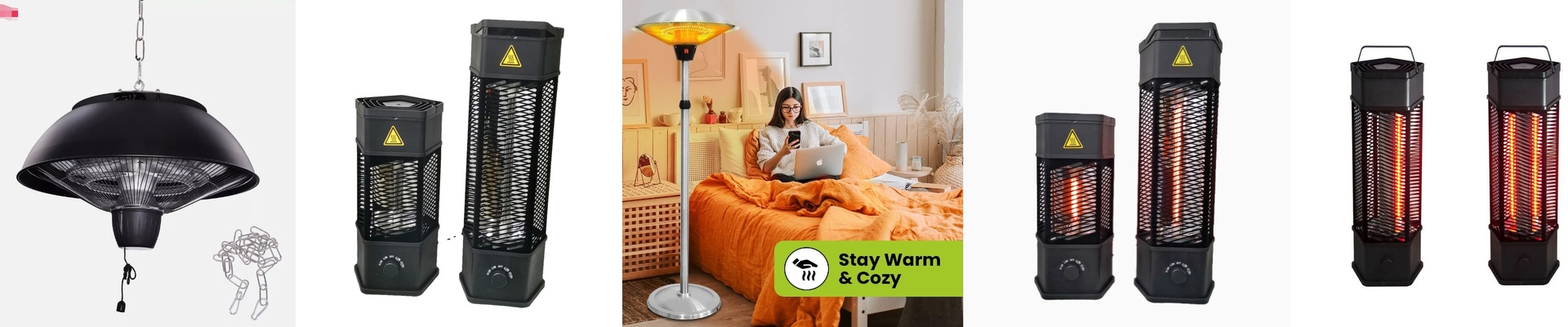
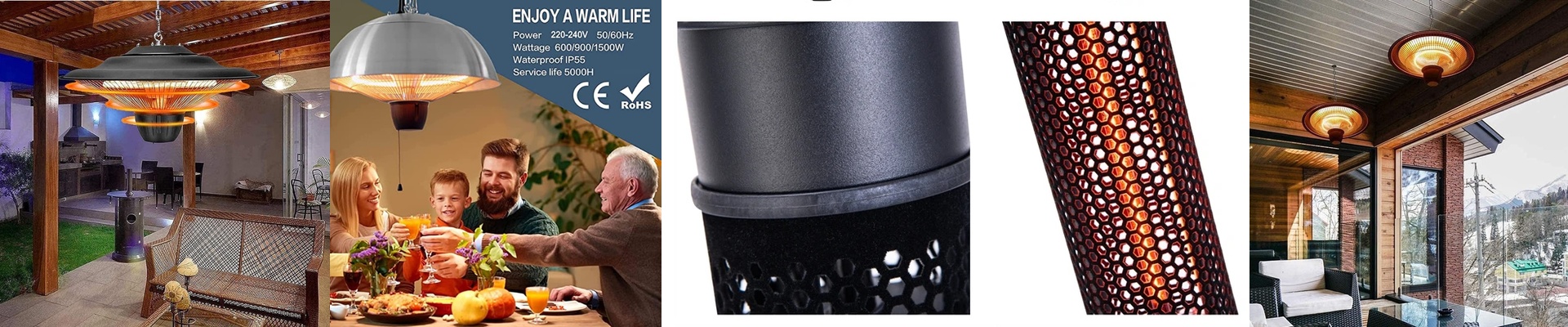
We build high-power radiant heaters for commercial ovens—deck, rotary, and convection—around a short-wave infrared element that throws heat in a tight, directional pattern. In real-world terms, that means faster warm-up and instant recovery when the door gets opened. The units run at high watt density, sized to match the baking chamber volume and the voltage supply, so heat is there when you need it, not slowly creeping up from cold. The element sits close to the load, focusing energy where it matters: onto the stone hearth or the pan surface. That shrinks the lag between what the thermostat calls for and what actually hits the food.
Why this matters in a busy service
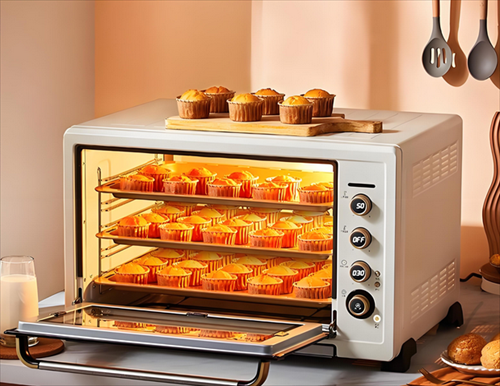
In a busy kitchen, minutes saved on preheat turn straight into more cycles per hour. With this kind of radiant output, the oven hits bake temperature fast, and hot spots that create uneven caramelization and under-proofed centers get dialed back. You get more consistent doneness across the deck, better control when you’re running rotary loads, and steadier temperatures during convection bakes. Energy use per bake often drops, too, because the heater idles less and bounces back faster between door swings. Fewer throwaways. More repeatable quality. A calmer line when the rush hits.
The practical details you can’t skip
Installation is straightforward, but these are high-power heaters. You have to match the oven’s terminal block, amperage rating, and available voltage. Clearance around the element isn’t optional—airflow and service life depend on it. And remember, radiant heat is intense at the source. Positioning relative to proofing stages or exposed product has to be set so you don’t scorch the surface before the interior sets. Plan the layout around your oven profile, and you’ll get the speed and evenness you need without trade-offs.