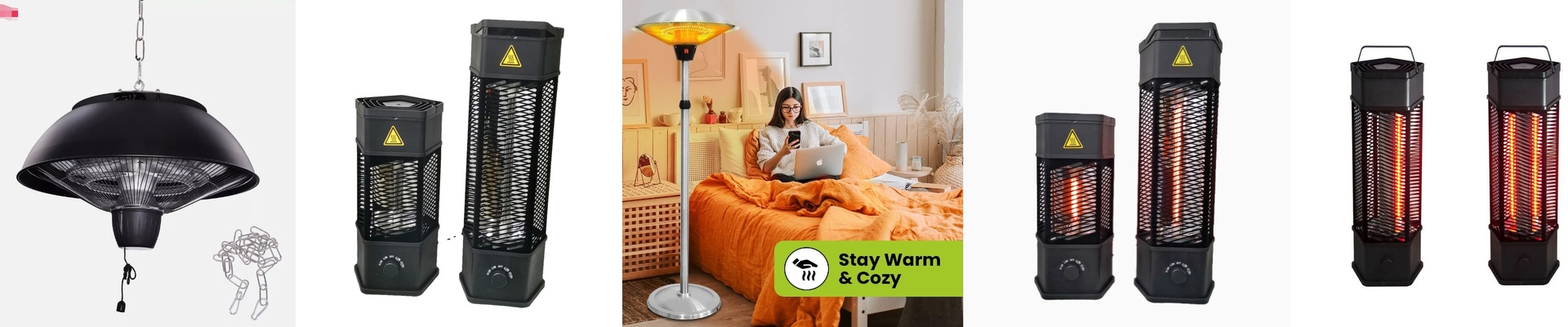
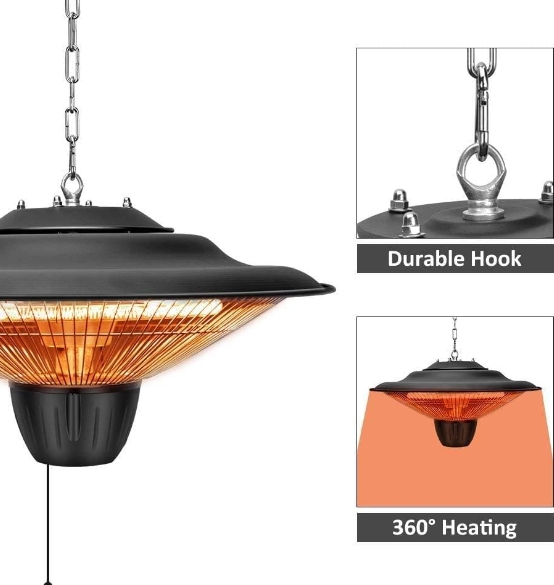
A windy evening can clear a restaurant patio faster than the check arrives. Guests feel the cold, then they head for the door. The issue isn’t just the temperature—it’s whether the heat holds up when conditions turn nasty. In a commercial setting, an outdoor electric heater has to run for long shifts, deal with moisture, and take the constant on/off cycling of service. When it quits, you don’t just lose a seat. You’re staring down a safety issue and a maintenance headache.
What matters under the hood
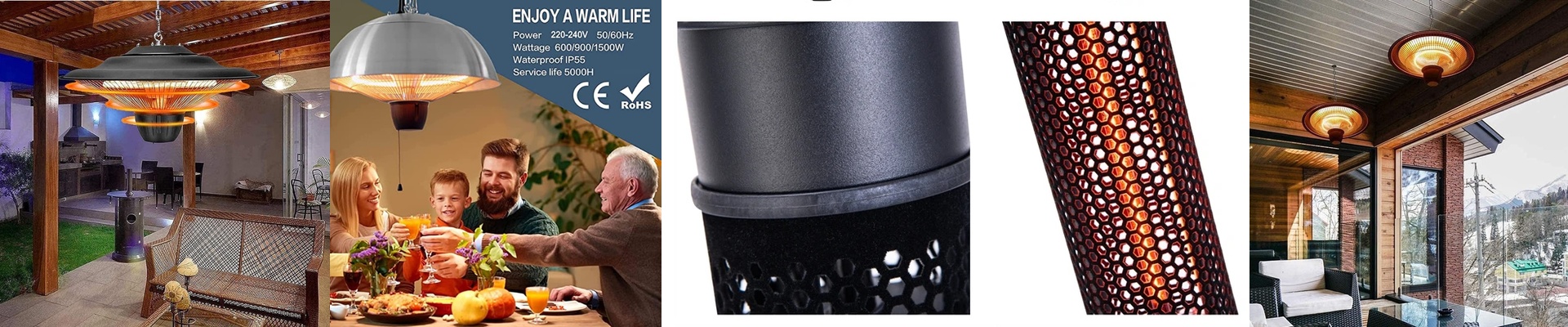
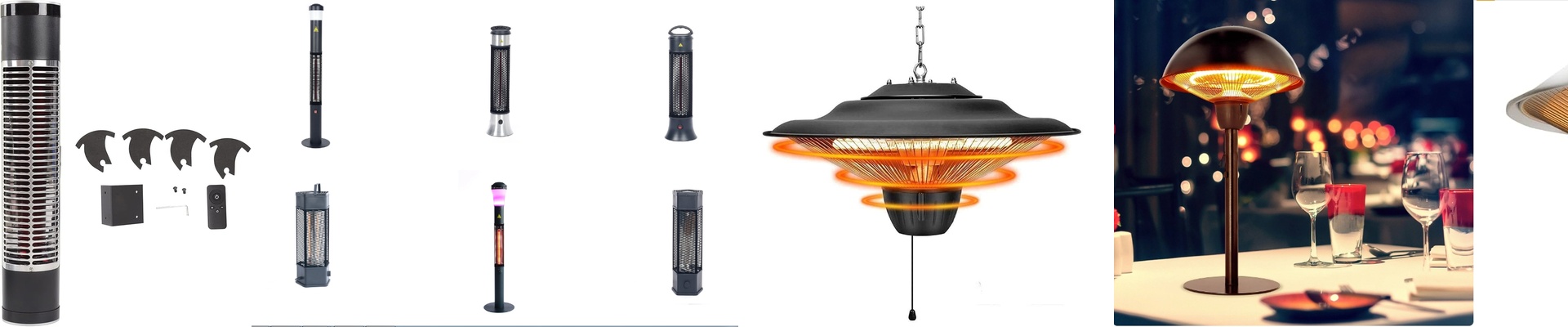
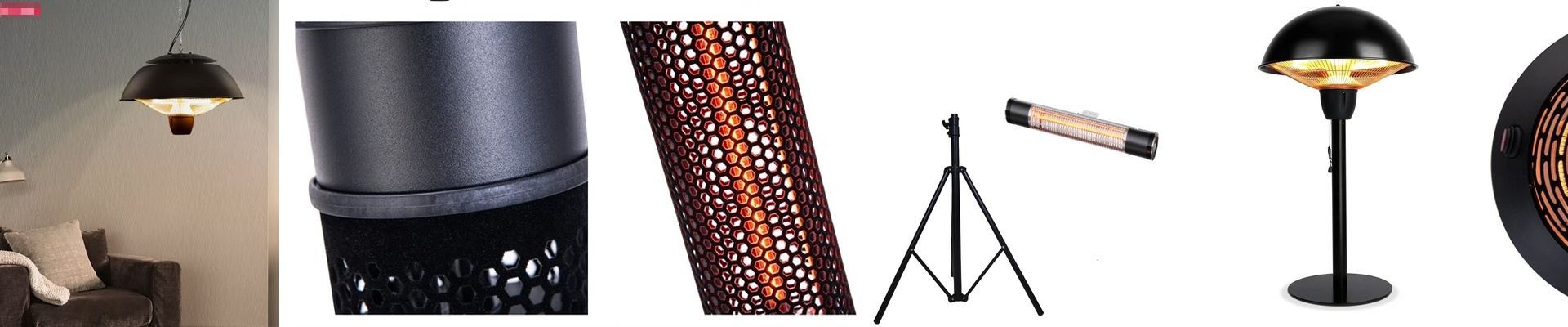
Infrared patio heaters deliver comfort by warming people and surfaces directly, not by trying to heat the air. That’s why you feel the warmth even when the wind picks up. Reliability comes down to the lead-seal where the power leads enter the heating chamber. On commercial units, we use a high-temperature, fully sealed termination that keeps moisture out and prevents insulation breakdown under sustained heat. The payoff is performance that stays steady through thousands of cycles.
Why this works on a patio
A restaurant patio is an outdoor production floor. You need heat that comes on instantly, holds steady output, and keeps going through the rush. Infrared warmth keeps tables comfortable without pushing air that stirs up smoke, scents, or noise. With sealed lead connections and a protected heating element, the heater is far less likely to fail mid-service. That means fewer service calls, fewer dead spots, and more regulars who actually want to sit outside.
The details that bite you if you ignore them
Commercial infrared heaters need proper electrical planning. Match the unit to your circuit load, and run a dedicated outlet when you can. Position the heater so coverage is even, and respect clearances to anything combustible. In damp spots, confirm the IP rating matches the exposure. Plan the layout before the first cold night hits—because comfort only matters when it shows up on time.