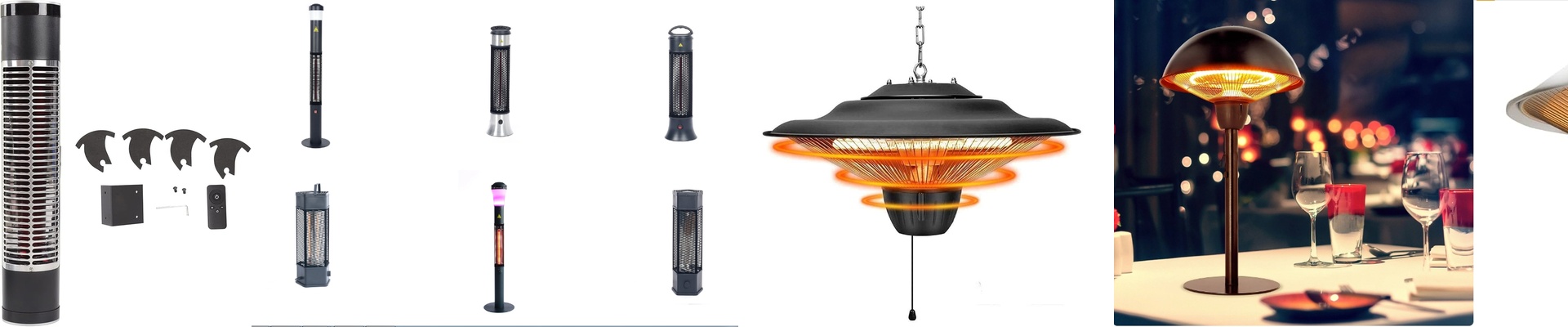
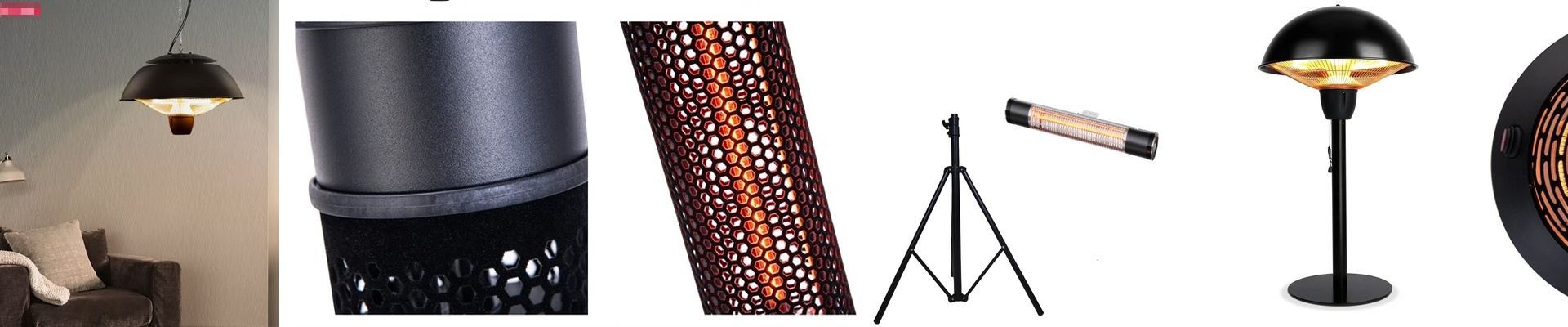

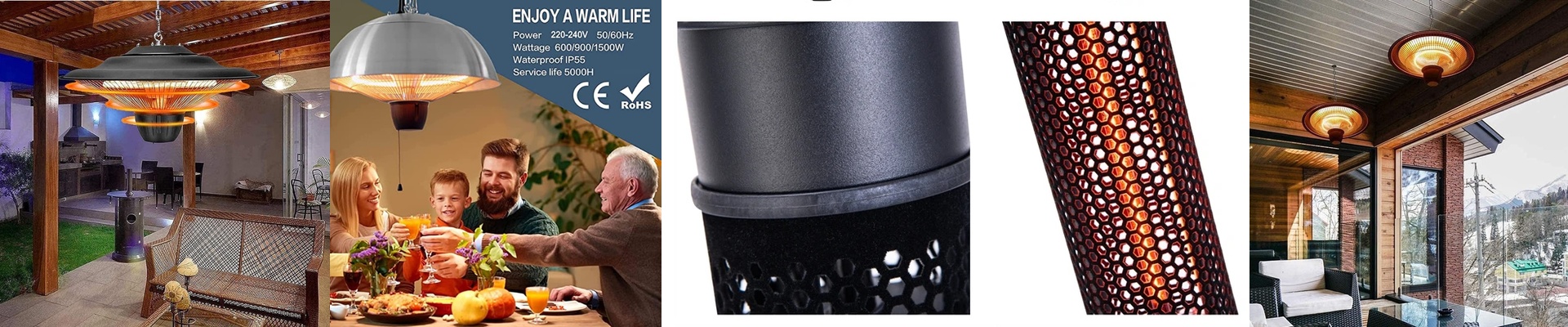
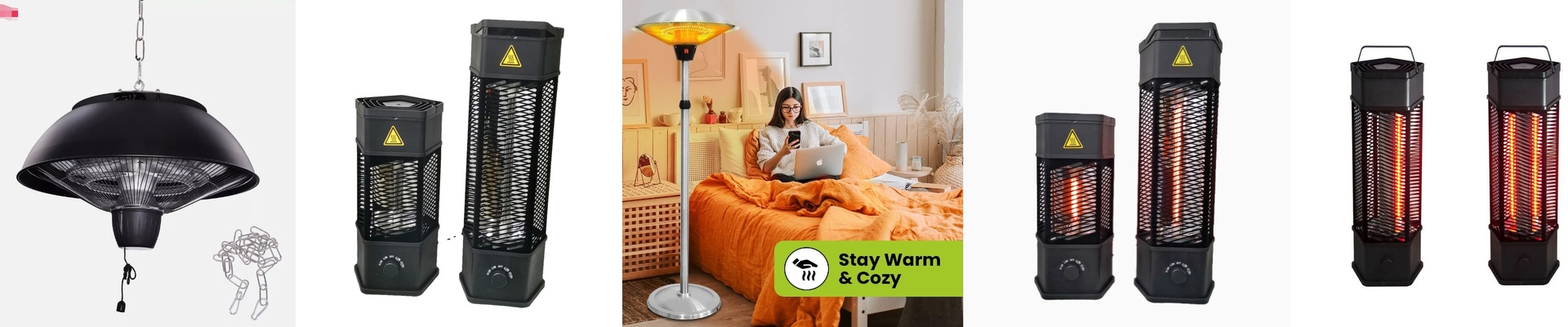
Cold on a job site isn’t just uncomfortable—it drags everything down. Hands go stiff, tools get sloppy, and concrete cures unevenly. We built this construction site heater to keep work moving, not just to bump the temperature.
What matters under the hood
This unit runs on a standard 240V outlet and pulls 3.0 kW to deliver fast, directional radiant warmth. The core is a carbon fiber heating element inside a sealed quartz tube, so the heat comes out as infrared—warming people and surfaces directly, not the empty air. You feel it almost the instant it’s switched on. A built-in thermostat holds the setting you want, and the heater is rated for dust and splashes. For safety, it has tip-over protection and an overheat cut-off.
Why this approach works where work happens
Radiant heat makes sense on a site. No blowing air to stir up dust, no wasted energy trying to heat the whole space. Crews stay comfortable, so breaks stay short and focus stays steady—fewer mistakes, fewer holdups. Indoors or under temporary enclosures, it helps keep materials at a stable temperature, which supports consistent curing and handling. The payoff is a steadier workflow, fewer fuel deliveries, and fewer cold-weather stoppages.
The practical details you’ll want to get right
This is an electric heater, so it needs a dedicated circuit. On a busy site, voltage drop can hurt performance—match the unit to what the power can actually deliver, and keep cords tidy. **For best results, aim the infrared warmth so it hits the main work area without hot spots, and always keep clearance around the unit.**It’s tough, but like any heater, it performs best when it’s set up and run the way it’s meant to be.