
Why Fast Response Actually Lowers Your Steam Oven Bills
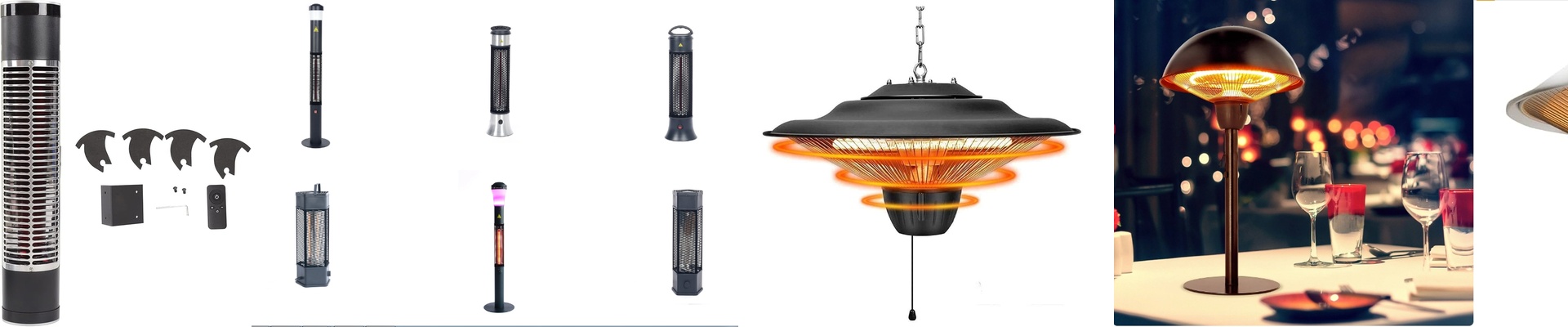
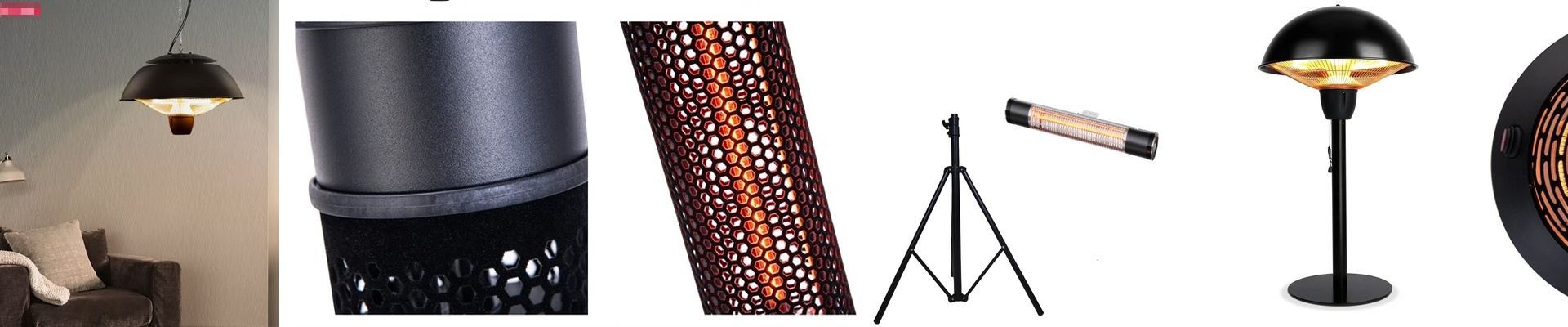
Most people think saving energy is all about thicker insulation. But if you’re running high-precision steam ovens, the real magic happens at the heating element. We use twin quartz tubes to get what we call “second-level” response times. In plain English? The moment the controller says “heat up” or “stop,” the oven actually does it. There’s almost zero lag.
The problem with old-school heaters
Think about those standard metal sheath heaters. They’re heavy. They take forever to get hot, and more importantly, they take forever to cool down. This leads to something called “thermal overshoot.” Basically, the power cuts off, but the heater is still glowing and pumping out heat. You end up fighting your own equipment, wasting a ton of energy just to keep the temperature from spiking too high. Quartz is a different beast. We put a tungsten filament inside a high-purity quartz envelope. Because there’s so little mass, these tubes hit full temp in seconds. When the power cuts, the heat stops. Just like that. No more throwing kilowatts down the drain.
Double the tubes, double the punch
We go with a twin-tube setup to double the radiant surface area without making the oven any bigger. It ensures your steam and product get hit with uniform, short-wave infrared energy. It’s powerful, but there is a catch. Quartz is glass, and glass breaks. If your oven vibrates too much or if your team is a bit rough with the racks, those tubes can crack. Just make sure your mounting brackets are rock solid and aren’t squeezing the glass.
Making it all work together
You can’t just plug this into a basic mechanical thermostat and expect it to work. You need a fast-acting SSR (Solid State Relay) to toggle the tubes. This lets us pulse the heat in tiny millisecond bursts. We’ve seen this cut total energy use by 15-20% compared to the old metal elements. You get a much tighter temperature window and a lower electric bill. Just a heads-up: make sure your wiring is rated for that kind of rapid switching, or you’ll be replacing worn-out contacts way sooner than you’d like.