
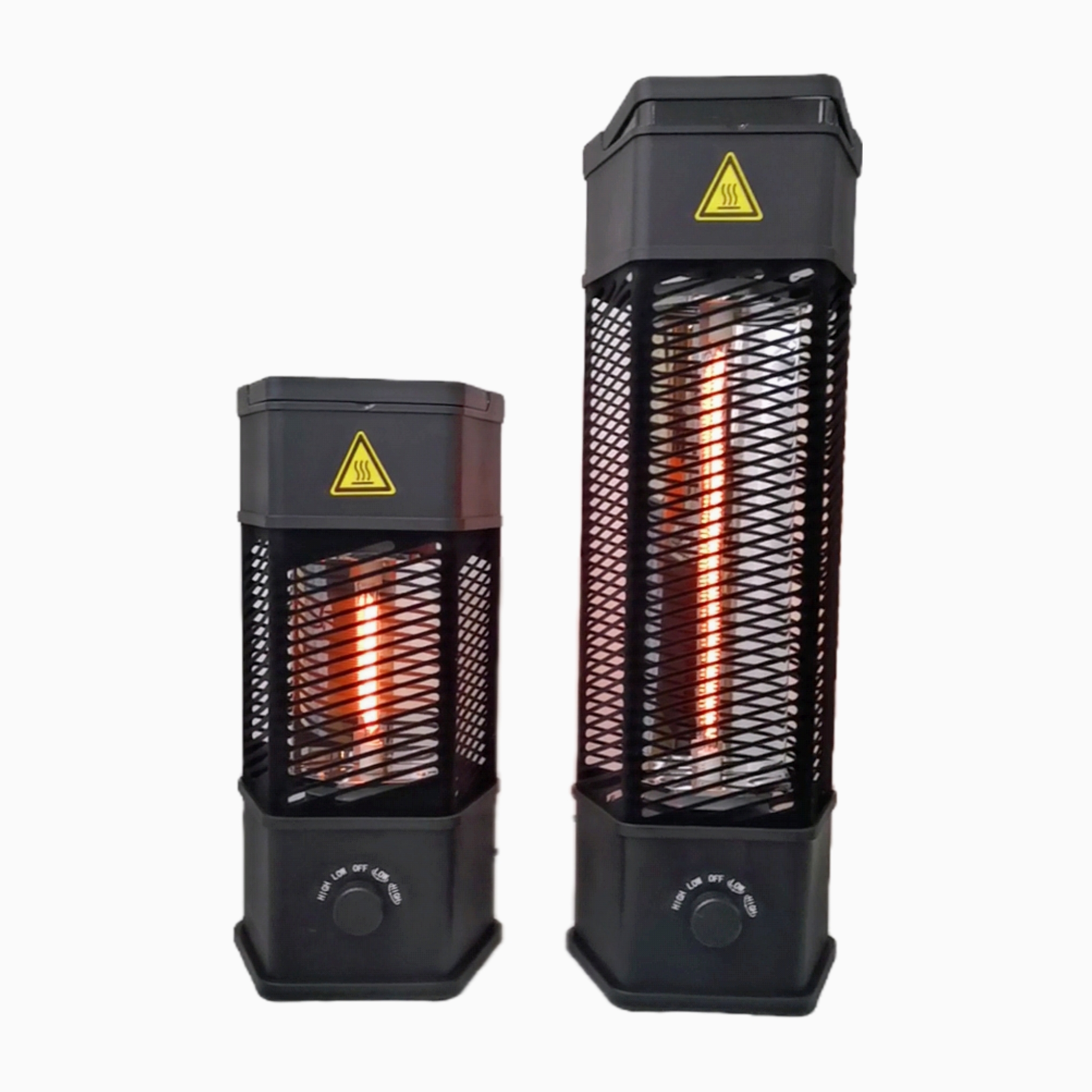
Why You Can’t Just Put Any Heater in a Bathroom
Putting an infrared heater in a shower or bath area is a bit of a gamble. You’re mixing intense heat with a ton of airborne moisture—and that’s a recipe for disaster if you use the wrong gear. Standard heating elements just can’t hack it here. That’s why we stick to IP44-rated waterproof housing and explosion-proof quartz glass. It’s the only way to keep things from going south when the temperature swings wildly.
The deal with explosion-proof quartz
Here’s the thing: cheap lamps use basic glass. If a single drop of cold water hits a surface that’s 600°C, that glass is going to crack. Fast. We use explosion-proof quartz because it doesn’t freak out during those rapid temperature shifts. It’s built to handle the internal pressure. And if the tube actually does give out? There’s a special coating that keeps the shards contained so they don’t fly everywhere. It’s about peace of mind.
Keeping the water out
Water getting where it shouldn’t is how you end up with a short circuit. It’s as simple as that. When we talk about an IP44 rating, it basically means the unit can handle splashes from any direction and keep out small bits of debris. We make sure the wiring terminals and lamp sockets are sealed tight so humidity doesn’t create a bridge between electrical contacts. Don’t try to cut corners here. If you use a housing that isn’t rated for this, the steam will eat through it in about six months.
Getting the install right
These lamps are great because they give you that instant, cozy warmth. They don’t waste time heating up the air; they heat you. But that means the surface of the tube gets incredibly hot. You’ve got to be careful with your mounting brackets—make sure they can actually handle the wattage you’re using. And a quick tip: don’t over-spec the wattage unless you’re moving the heater further away from the user. Otherwise, you’re looking at potential skin burns. Also, use high-temperature leads for the wiring. You don’t want your insulation melting right at the connection points.