
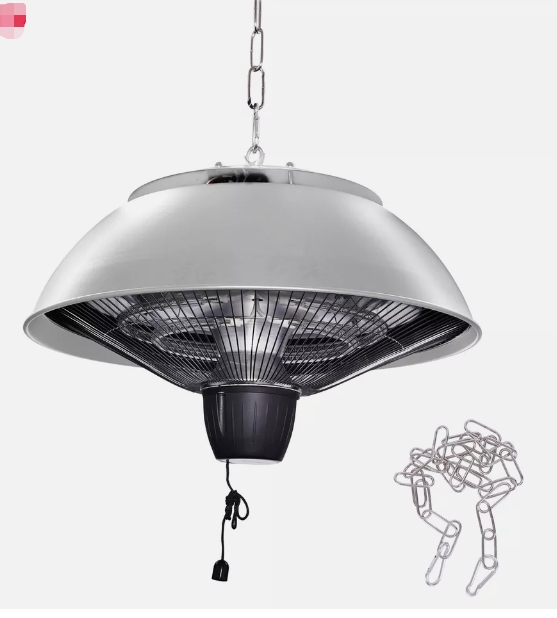
Specifying Waterproof Infrared Heaters for Pergolas: A Friendly Guide to Power, Efficiency, and Installation
We built these waterproof infrared heaters for one reason: to make your pergola warm and welcoming—without the bulk of traditional HVAC. The idea is simple. We aim the heat straight at the people and the furniture, not the empty air around them. It’s a smarter way to stay cozy, and it saves energy. But to make it work, you have to get the details right.
Power, Voltage, and Coverage: Getting the Size Right
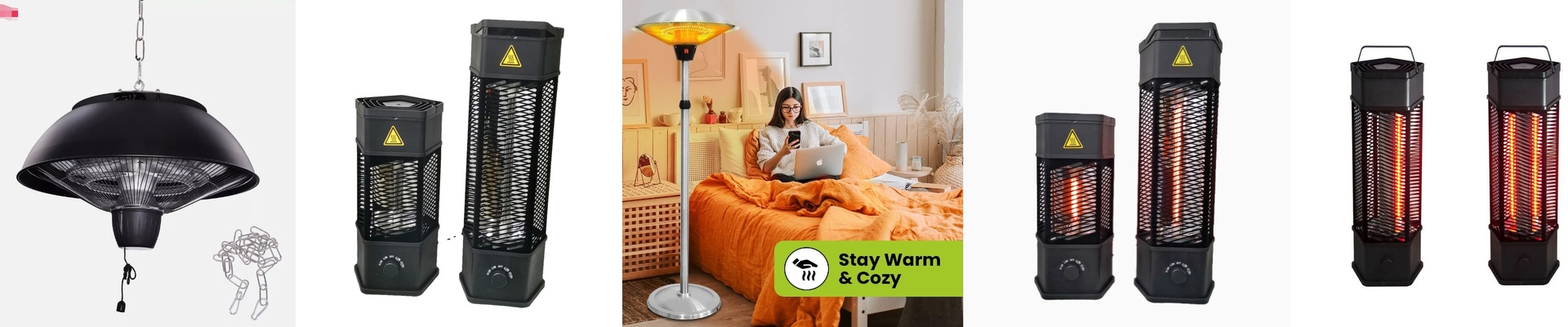
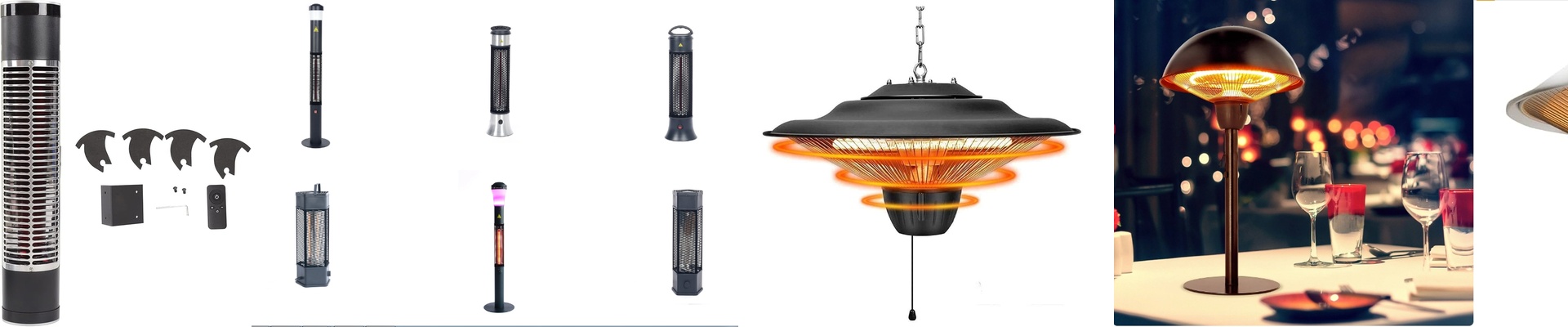
Choosing the right heater comes down to matching the power to the size of your space. We offer standard wattages so you can pick what fits. A 1500W unit typically covers a space around 100-150 sq ft. Step up to 3000W, and you can warm about 200-300 sq ft. You’ve got options when it comes to voltage, too: 120V or 240V. Going with 240V cuts the amperage draw in half. That makes the wiring easier and simplifies the circuit design. And the length of the heating element matters. A longer tube spreads the heat out, giving you a wider, softer pattern. A shorter, high-density element is better if you need to focus the warmth on one spot.
What’s Inside: The Halogen Core and the R7s Connection
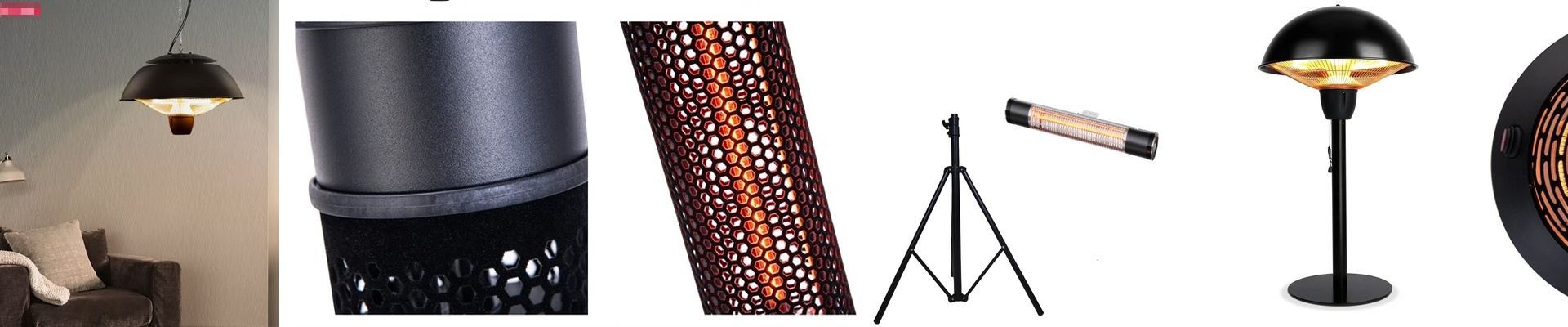
At the heart of these heaters is a halogen-filled quartz tube. The halogen cycle keeps the element clean, so it doesn’t blacken and the output stays consistent for thousands of hours. The quartz itself is tough—it handles sudden temperature changes and stands up to the elements. For installation, we use an R7s base. It’s a double-ended connector that slides right into the socket. That means the whole unit is a simple, drop-in replacement for standard industrial infrared tubes. It’s a solid, vibration-resistant connection that handles the tube’s expansion without coming loose. And the waterproof seal? It’s built into the socket housing, not the tube, so you get a truly weatherproof fit.
How It Works: The Perks and the Planning
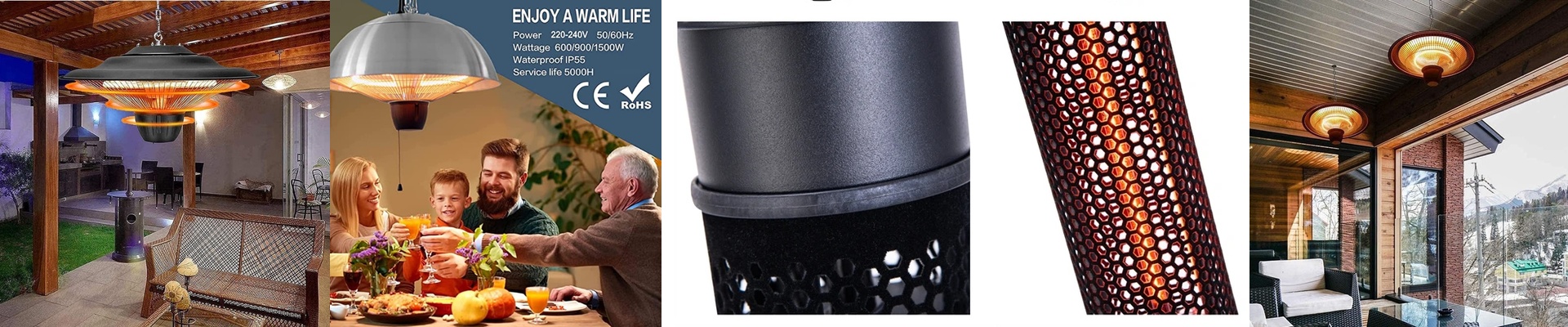
Mount these overhead in your pergola, and they send infrared warmth straight down. People and furniture absorb the heat directly. That direct transfer is what makes the system so energy-efficient. But there’s a catch. High power means you need to plan carefully. A 3000W heater puts out a lot of heat, so the structure and electrical system have to be ready for it. You need to make sure the mounting hardware and wiring are protected from that radiant heat. We give you clear thermal clearance guidelines to keep everything running safely and to prevent nearby parts from overheating.
Built for the Outdoors, Built to Last
These heaters were born for the outdoors. The waterproof housing and sealed R7s connections keep moisture out, so you don’t have to worry about shorts or corrosion. The halogen element kicks on instantly, giving you warmth the moment you need it. For anyone designing a system, that means a reliable, low-maintenance setup that fits easily into your electrical plans. The trade-off is the heat intensity. You have to manage the thermal footprint to protect nearby surfaces. But when you size everything correctly, you get targeted heat with almost no wasted energy. It’s a practical way to make your outdoor space comfortable.
The Non-Negotiables for Pergolas
When you’re heating a pergola, waterproofing isn’t optional. The housing and connections are sealed to an IP65 standard, so rain and dust stay where they belong—outside. And the heat comes on instantly. No waiting around. That’s a must for outdoor spaces where you want comfort right away. The R7s base also makes maintenance a breeze. If you ever need to swap a unit, it’s a quick, tool-free job. The main thing to keep in mind is thermal management. High-wattage units create concentrated radiant heat. You have to keep a safe distance from anything flammable and make sure your mounting surface can handle the temperature. Plan your layout to avoid hot spots and get even coverage. Do that, and you’ll have a system that delivers direct, efficient warmth that you can count on, season after season.