Fast-Response Stainless Steel Radiant Heaters: For When Timing Is Everything
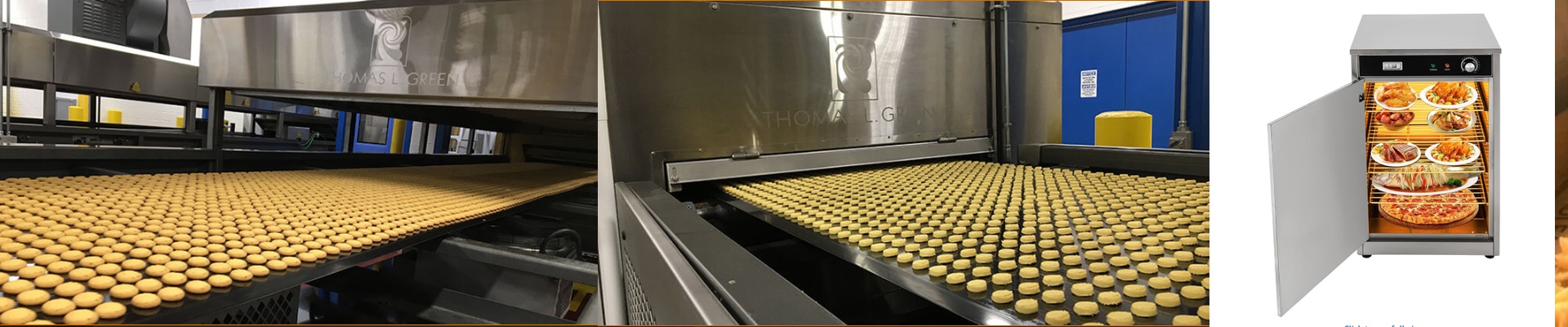
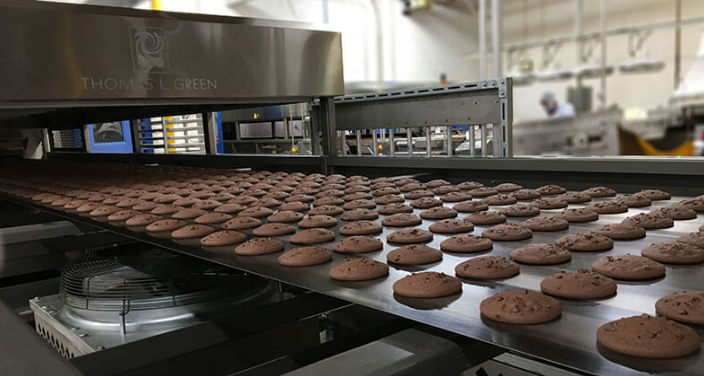
We built these stainless steel radiant heaters for the moments when your process absolutely has to nail a temperature change on the dot. Think of high-difficulty baking where a few seconds off can ruin the whole run. The whole point is simple: turn on, turn off—fast. Seconds, not minutes. That lets you climb a temperature ladder the way you want it, without overshooting or dragging your feet.
Why seconds make all the difference
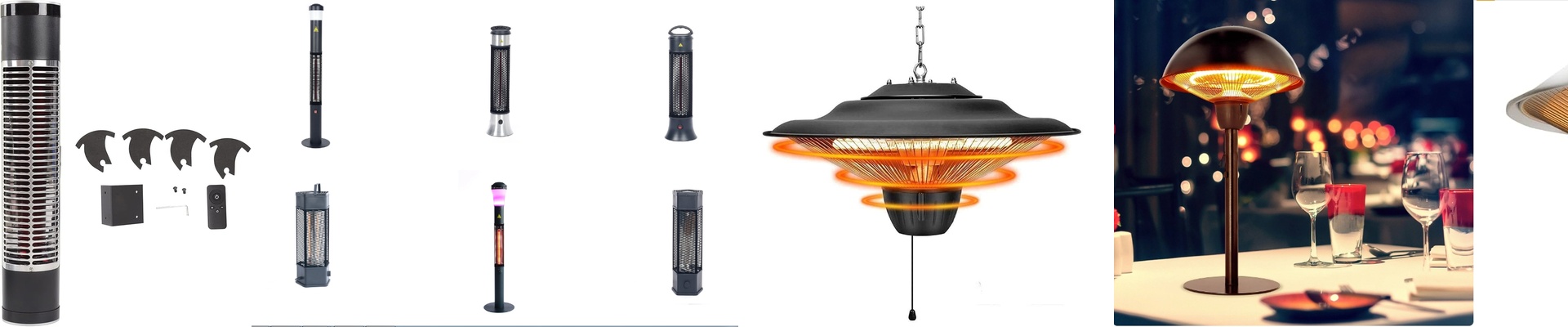
These heaters hit the target almost instantly, thanks to a high-power density element. Here’s the key: they deliver heat straight to the product, not the air around it. That direct-radiant approach cuts down thermal inertia, so you get clean, repeatable steps. In practice, you can ramp up, hold, then ramp down on tight cycles—without waiting around for the oven chamber to catch up. Now, that power comes with a trade-off. You’re packing a lot of heat into a small footprint, so the cooling and thermal management on your machine have to be properly set up. Keeping components and the surrounding area in range is part of the deal.
Built to survive the shop floor
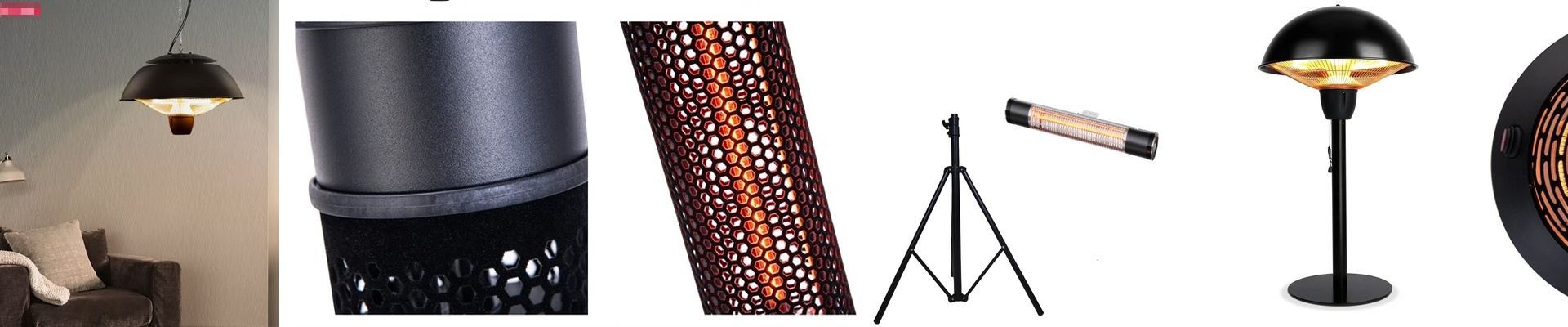
The housing is stainless steel, because real shops are tough. It takes heat, steam, and the daily grind of cleaning cycles without corroding or warping. Inside, a high-purity quartz envelope keeps the heating fast and the output steady. The halogen fill keeps the filament stable and spreads heat evenly along the tube. For electrical connections, we lean on solid options like R7s or SK15. They make for secure contact, easy replacement, and dependable performance when things are heating up and cooling down, over and over. This is a drop-in solution that’s meant to take a beating and keep working.
Precision baking, without the guesswork
When your bake needs a precise sequence of temperature steps, you need control you can trust. With start/stop response at the second level, you can lock in each phase—pre-heat, set, finish—without drift. The payoff? Consistent product and far less scrap. For the folks running the line, it means simpler control logic, fewer tuning headaches, and quicker changeovers. The fast response also cuts idle time between stages, so throughput improves while energy stays focused right where it’s needed.