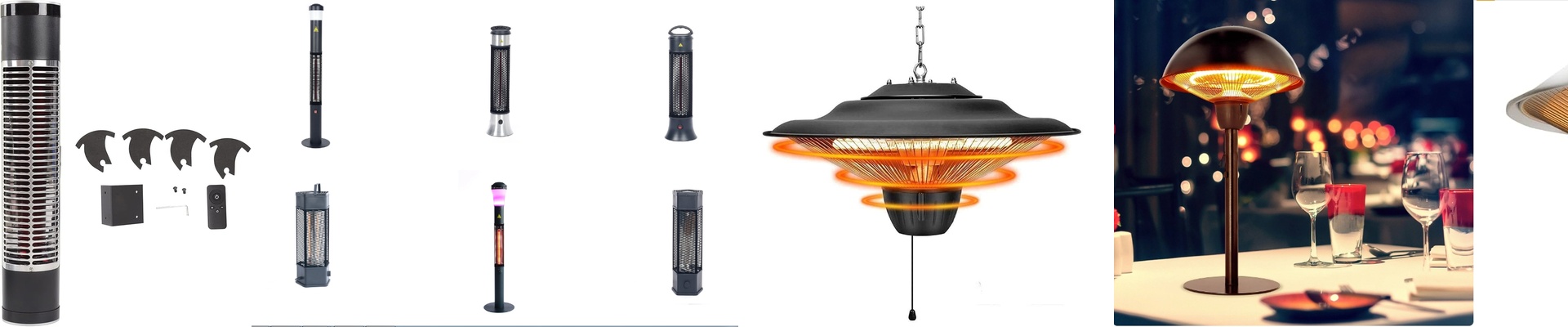
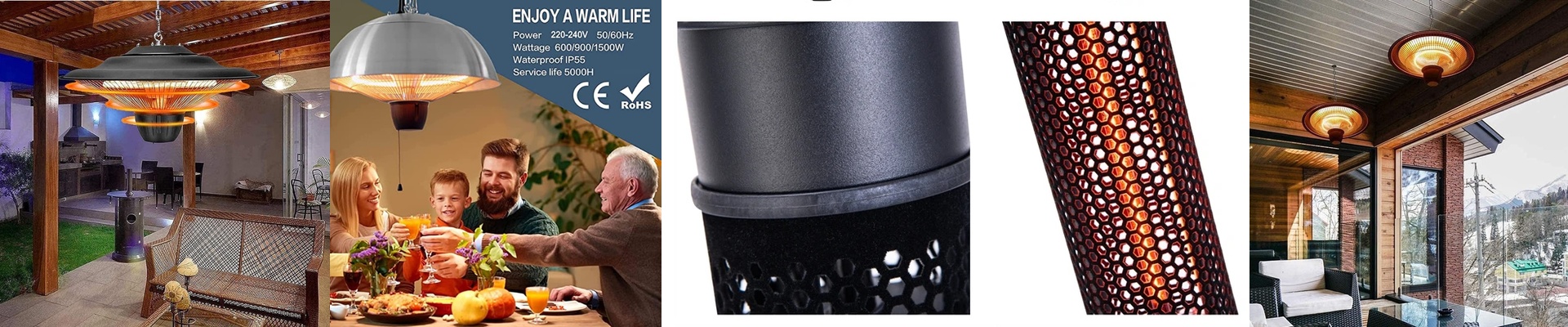
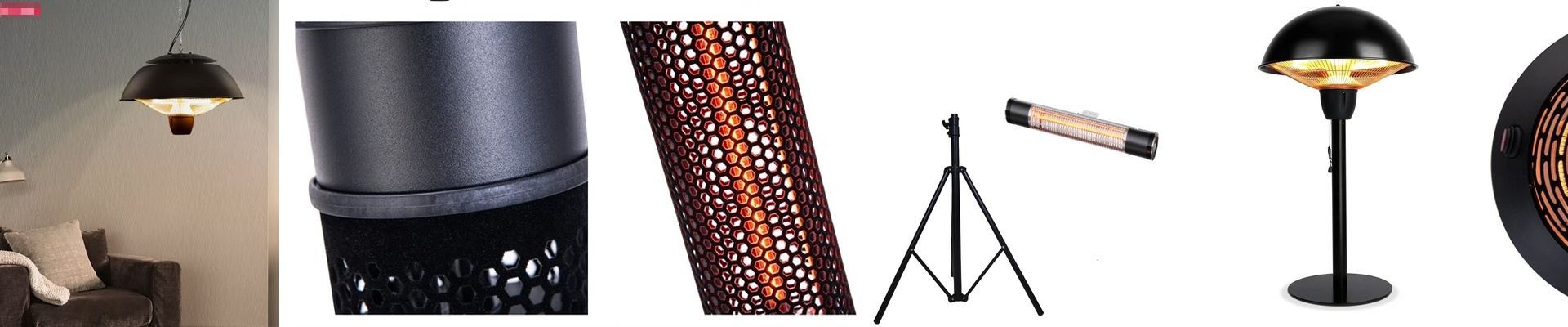

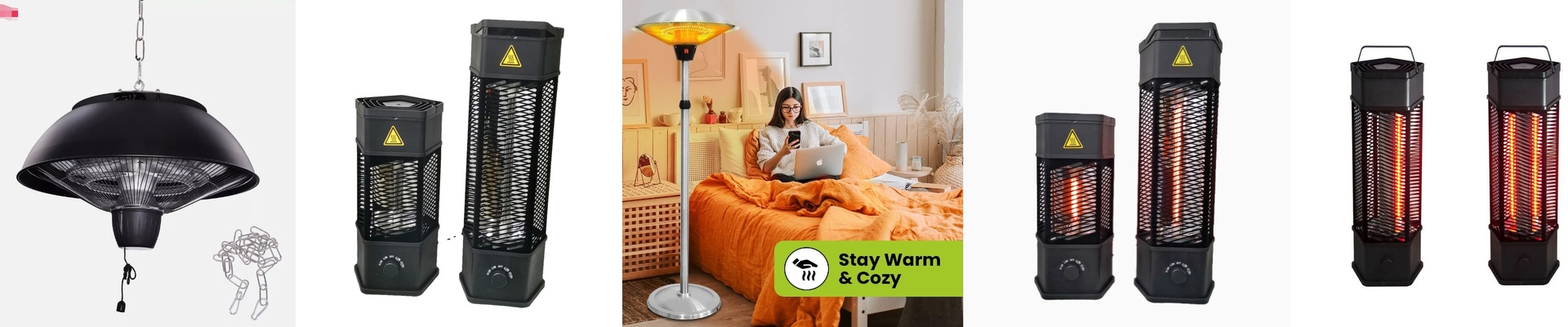
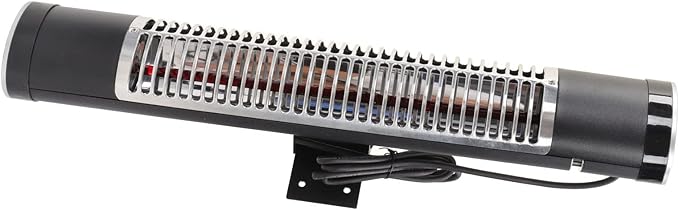
Commercial heating does more than just keep people warm. It quietly drives operating costs, equipment uptime, and your building’s sustainability profile. When occupants stay comfortable—even near drafty entries or across large open areas—productivity holds and complaints drop. Infrared warmth makes that happen, and it delivers a kind of efficiency that conventional forced-air systems can’t touch.
What actually matters under the hood
We build these space heaters around radiant infrared technology. They put heat where it counts—directly onto people, floors, and objects—instead of warming air that rises and escapes. The core is a carbon fiber element sealed inside a quartz tube. It produces gentle, draft-free warmth with no noisy fan. You get quick response, too. These units typically hit full output in seconds. Control is straightforward: an integrated thermostat, or integration with building automation for precise zoning. In many commercial layouts, 1.5 kW to 3.0 kW units cover targeted zones. So you heat what you actually use, and you don’t waste energy on empty spaces.
Why this approach fits commercial buildings
For property owners, infrared heating supports sustainability and asset value without adding complexity. It reduces the load on HVAC by warming the occupied envelope directly, which can lower overall energy draw and help stabilize monthly bills. Because the heat is directional and localized, it also plays well with flexible spaces. You can add comfort near lobbies, meeting areas, and service counters without ripping into ductwork. The payoff is a building that feels more consistent, runs more efficiently, and backs up ESG reporting with measurable energy improvements.
The practical details that make it work
Installation is simple, but placement is where you win or lose. Mount units at the right height and aim them to cover the intended seating or circulation zone. Keep direct glare off people and ensure even coverage. These heaters are designed for indoor and protected outdoor use. If you’re dealing with exposed areas, verify the IP rating and provide weather protection as needed. One more point: for best comfort, pair infrared heaters with a balanced thermal plan. Radiant warmth is highly effective, but itcomplementssolid insulation and air sealing—it doesn’t replace them.