Why We Put Our Heaters Through Hell (And Why You Should Care)
We build outdoor heaters for the real world. The one with rain, dust, and temperatures that swing from one extreme to the next. So here’s the thing: before a single heater leaves our shop, it has to survive our hot, humid torture chamber. This isn’t just a box to tick. It’s how we make sure the seals hold tight and the guts of the unit stay solid. Because if a heater can’t handle our accelerated aging test, it sure as hell won’t make it through its first monsoon season on your job site.
The Power Behind the Heat
Let’s get into the specs, but in plain English. IP66 means this unit is dust-tight and can take a beating from powerful water jets. We pair that with a tough electrical design, built for standard industrial voltages. We don’t just chase raw heat. We focus on high heat density, which means the heater gets up to temperature fast. But that also means you need to make sure the surrounding equipment can handle the heat. Plan your cooling to match the heater’s output.
The Stuff That Makes It Work
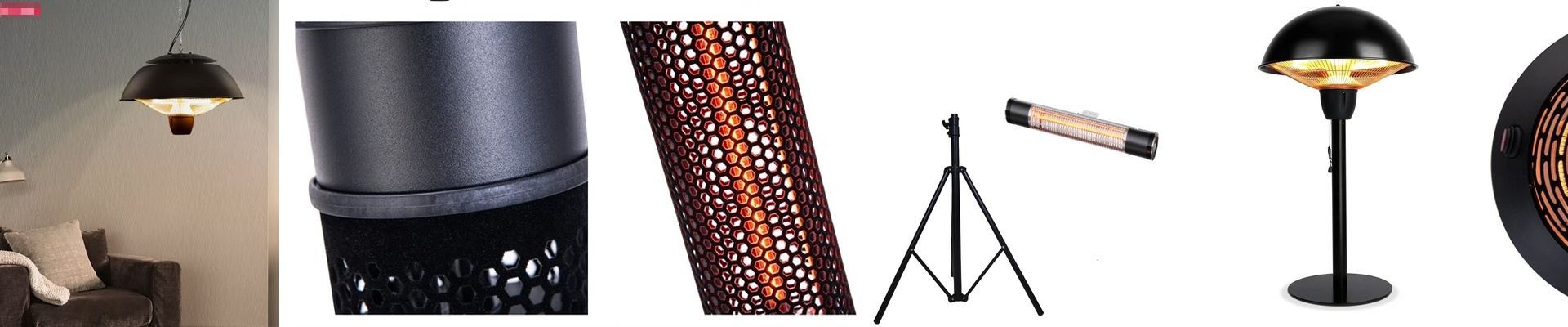
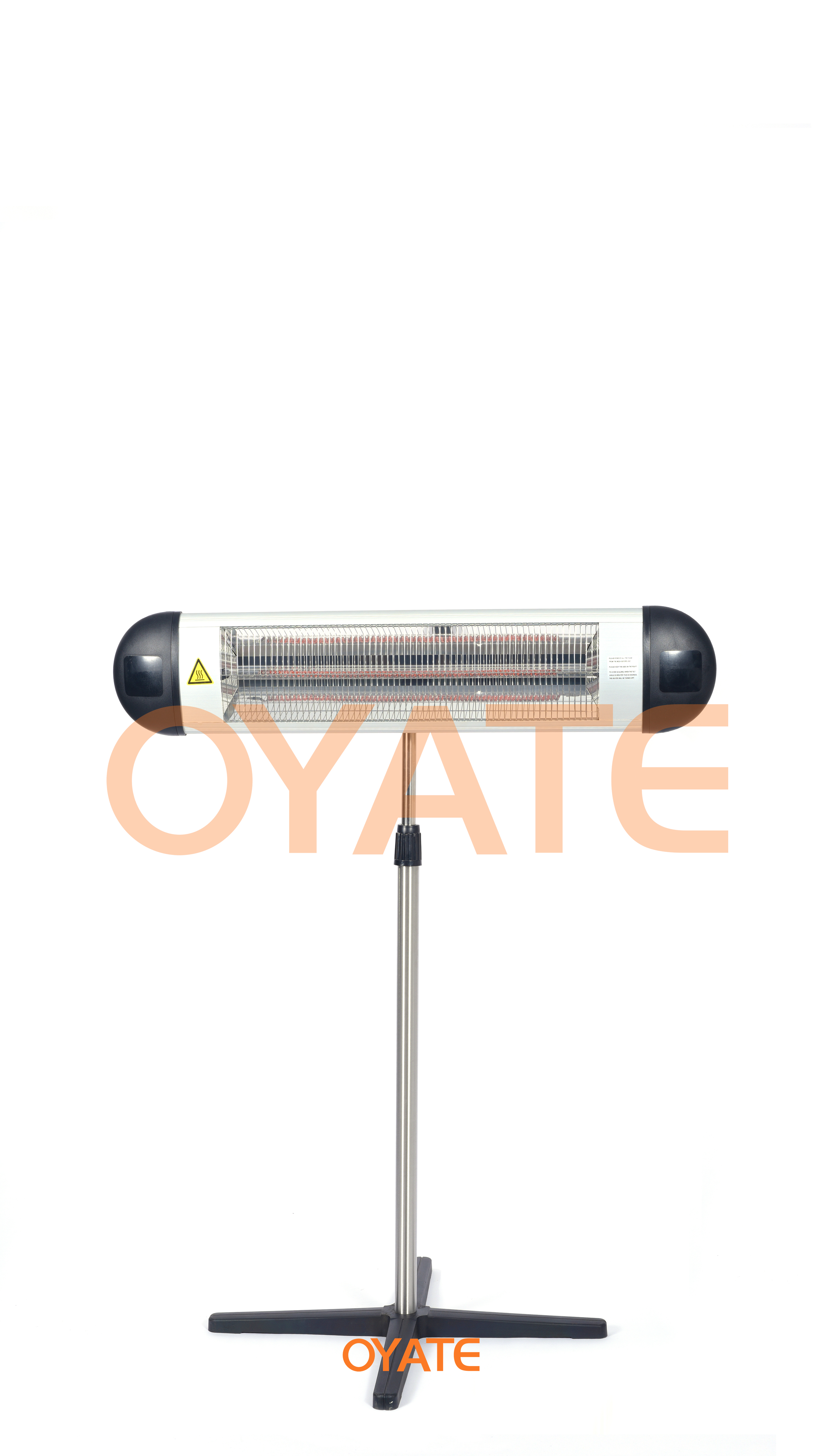
Our infrared heating lamps use a halogen-filled quartz tube. This is the magic behind the quick response. It heats up almost instantly, with hardly any warm-up time. And the quartz tube? It handles the shock of turning on and off better than glass ever could. Even the connectors are over-engineered for the job. They’re built for high current and high temperatures, so they stay snug and keep the power flowing, no matter how many times the unit cycles.
The Payoff: A Job Done Right
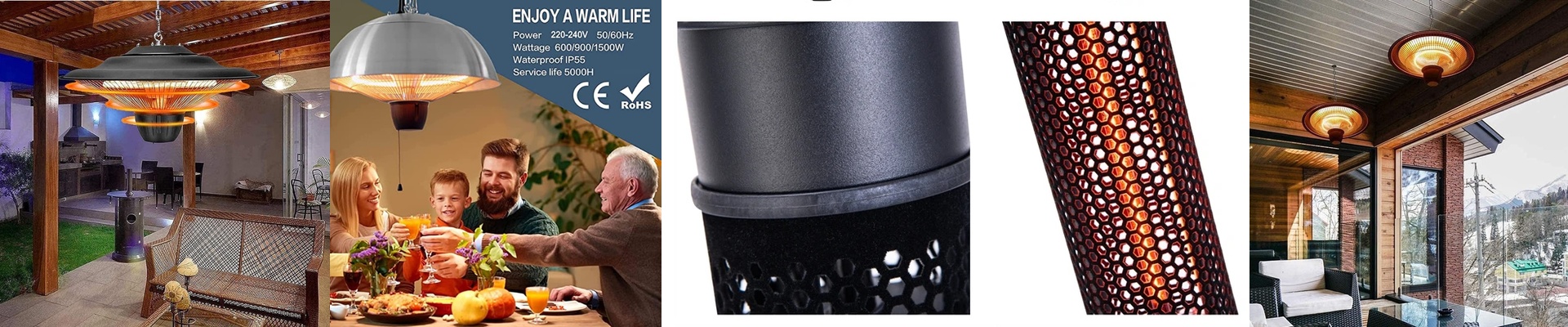
This whole setup was built for outdoor and bathroom installs, where water is the enemy. The IP66 seal keeps the water out, and the aging test proves the electronics inside stay dry and steady. For you, that means a simple, clean install. A drop-in replacement that just works. Fewer service calls. Your project stays on schedule. We push these heaters to their limits so you never have to worry about them failing when it counts.