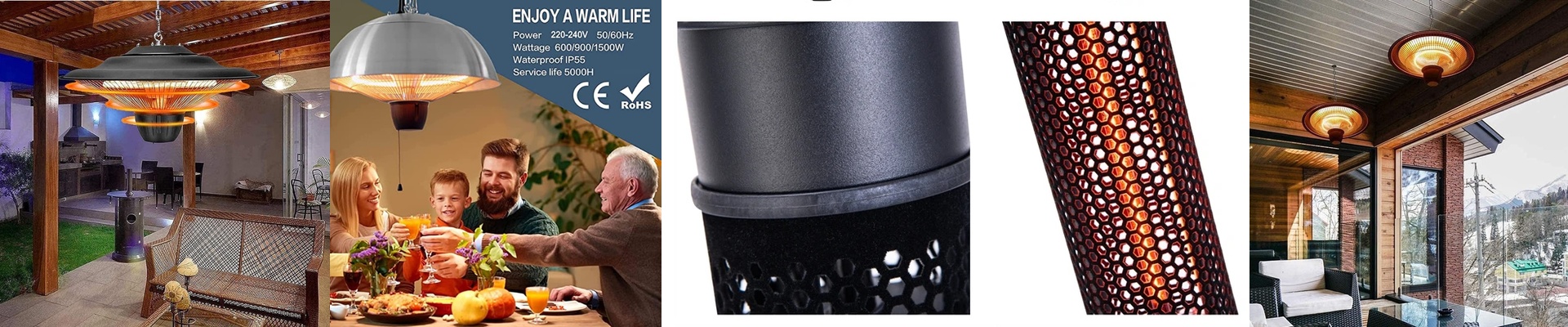
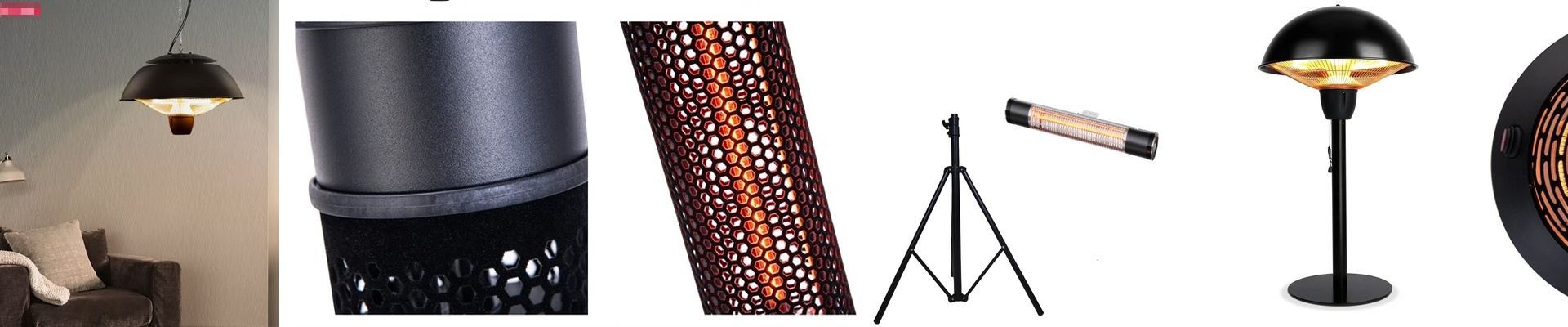
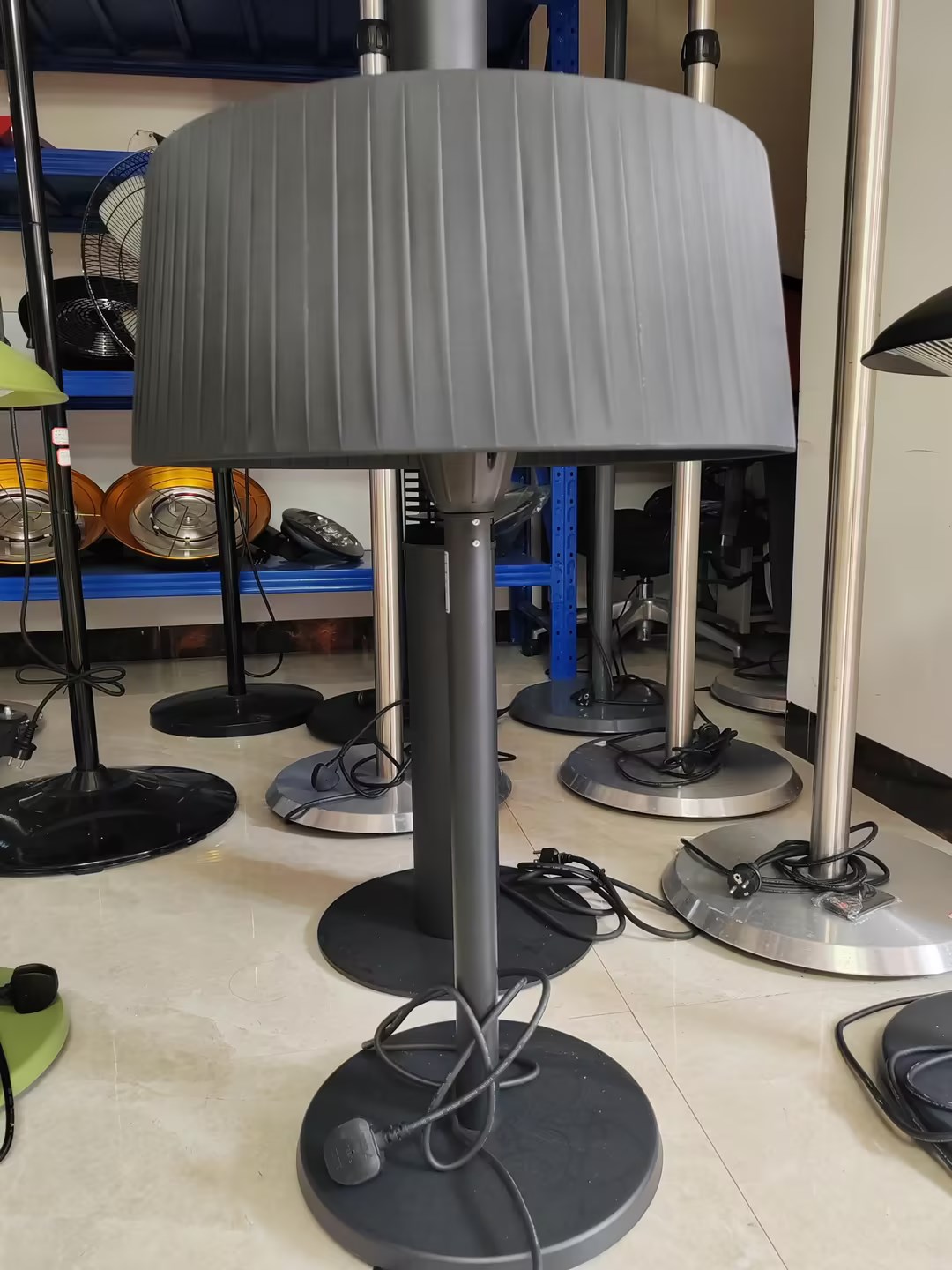
A sunroom is supposed to feel like a smooth bridge between indoors and out. The reality? It turns into an energy trap the moment the heat keeps chasing its own tail. Conventional heaters are slow to warm up and even slower to back off, so the thermostat keeps calling for more heat long after the room is already comfortable. You end up burning kilowatt-hours for no reason, and the warmth is rarely even.
What matters, under the hood
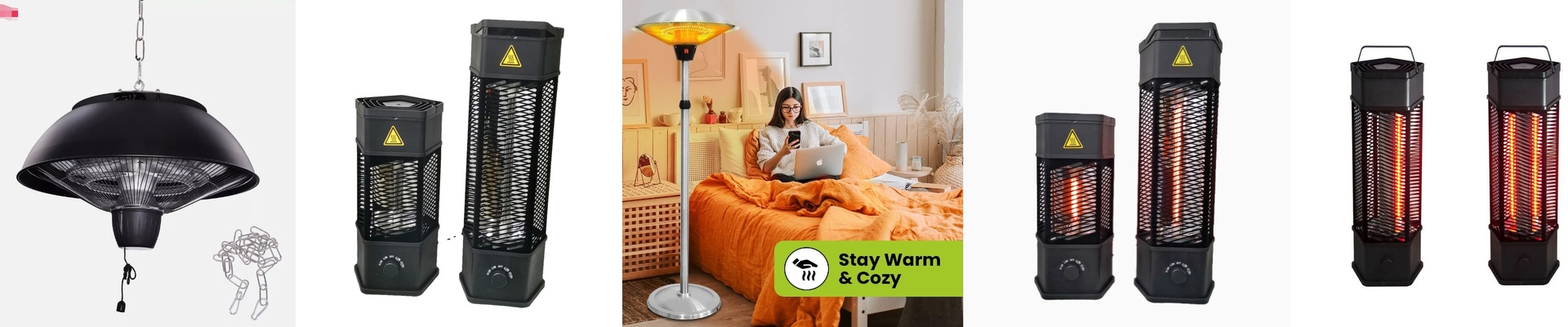
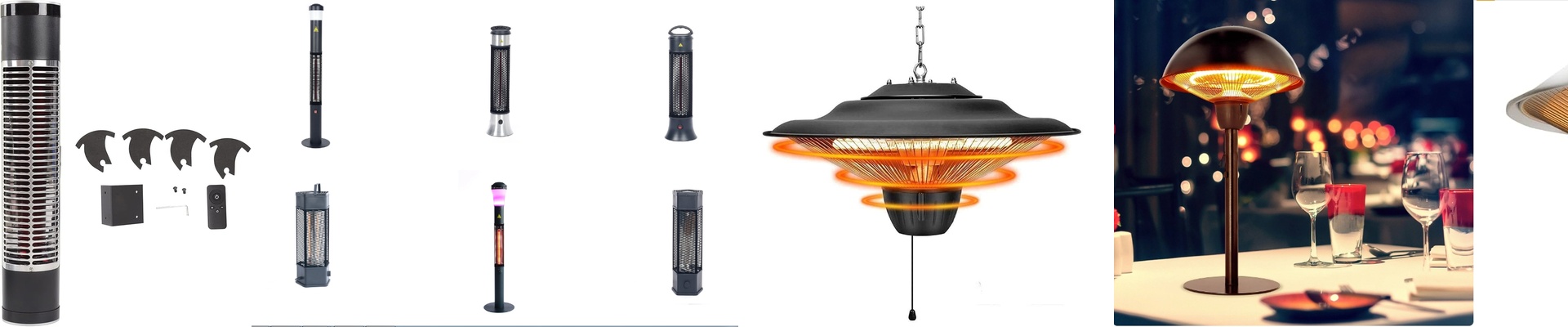
We build our sunroom infrared heaters around low-inertia elements that turn electricity into radiant heat with almost no lag. The carbon fiber or quartz emitter hits operating temperature in seconds, sending infrared warmth straight to people and surfaces—not the air. That direct delivery is why you feel comfort quickly, and why the heater stops pulling full power the instant the setpoint is reached. Pair that with a responsive thermostat and optional smart controls, and the unit can modulate output to match what the room actually needs. No more overshoot. Just heat that comes on, does the job, and backs off.
Why this approach fits a sunroom
In a sunroom, comfort isn’t about cranking the heat. It’s about keeping pace with fast shifts—sun breaking through, clouds rolling in, the outdoor air temperature changing minute by minute. Low-inertia infrared heat responds immediately, so you get warmth the moment you step inside instead of waiting for the room to “catch up.” Because it’s radiant, the heat lands on floors, furniture, and skin first. That means you can keep the thermostat a few degrees lower and still feel cozy. In practice, comfort stays steady and the energy use doesn’t spike—especially during shoulder seasons when the room gets used a lot but the weather is mild.
What to keep in mind
For the best results, aim the heater so the infrared beam hits seating areas directly, and don’t block the path with curtains or big plants. Most units run off standard 120V outlets, but some models and higher wattages may need to be hardwired—check local code and the circuit load before you install. One more practical note: infrared warms surfaces quickly, so the surrounding air can feel a touch cooler than what you’re standing on. A gentle air-movement fan evens things out without adding much energy draw.