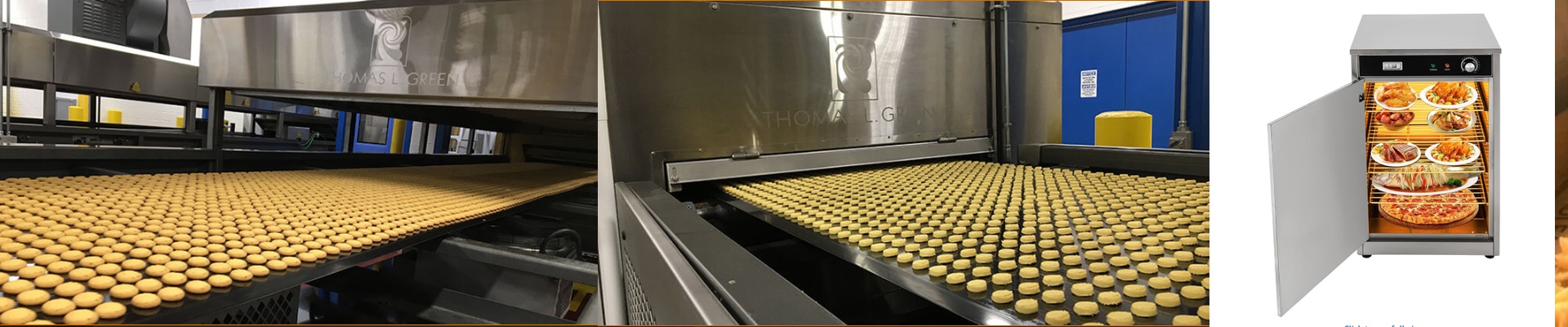
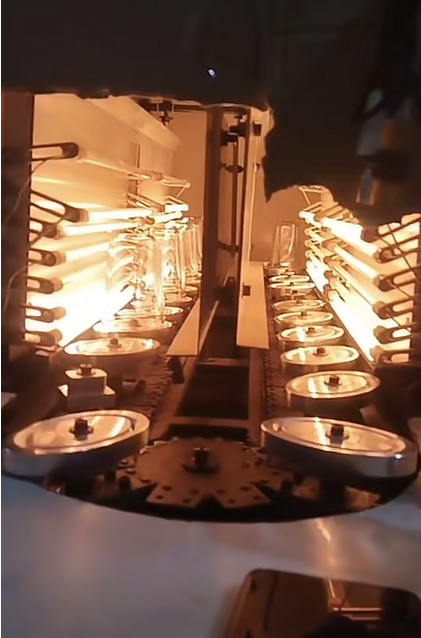
Multi-layer preforms don’t forgive sloppy heating. On a line running full stroke, uneven heat shows up fast—wall thickness drift, weak neck finishes, and scrap you simply can’t carry. We built the infrared preheat to lock in repeatable temperature profiles across the preform body, so your stretch blow molding cycle stays stable, shift after shift. What matters under the hood We run short-wave infrared emitters with fast response and tight spectral control, paired with quartz tubes that throw high radiant density without cooking the surroundings. The heaters are sized and mapped to match the heating tunnel geometry on common blow molders, with standard termination including R7s connectors, and power matched to the machine’s electrical design. Output is tuned so the preform surface comes up quickly while the internal layers equalize—giving you more uniform material distribution at the stretch rod and in the bottle. Why it plays nice with multi-layer Multi-layer preforms need heat that penetrates without scorching the outer skin. This infrared approach shortens the heating window and cuts temperature swing, tightening the distribution around your target setpoint. The payoff: fewer pinholes, better clarity, and less variability in top load. You also pull less energy per part because the emitter heats on demand and holds steady instead of cycling hard. Installation and tuning—keep it tight Installation is straightforward on most blow molders, but alignment is non-negotiable. The preform path and emitter focal line have to be set within tight tolerance; otherwise, you’ll see banding. We supply a mounting kit and an alignment gauge, and it pays to verify the machine’s voltage and connector compatibility before swapping out the existing heaters. Expect a short ramp-up to tune the recipe, but once it’s set, the process runs with minimal rework.