

Stop Fighting Bathroom Mold With a Scrub Brush
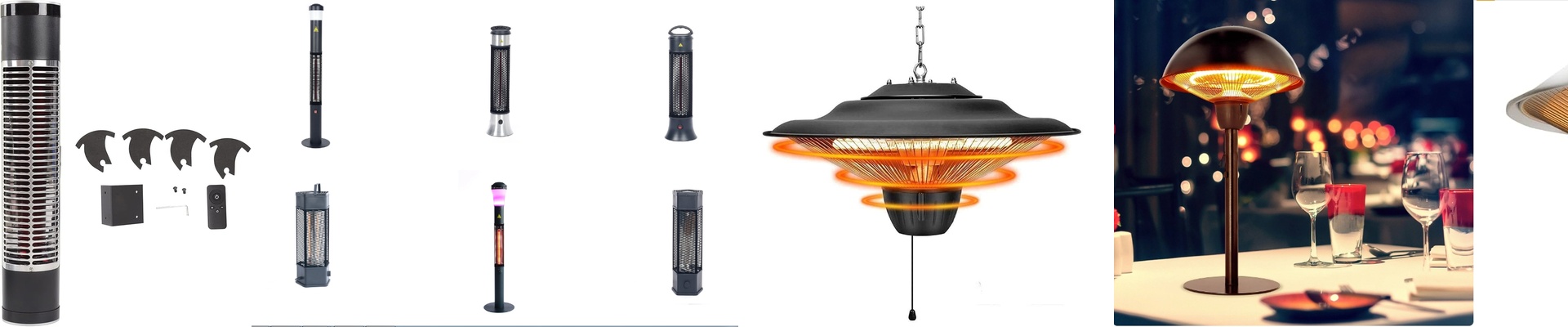
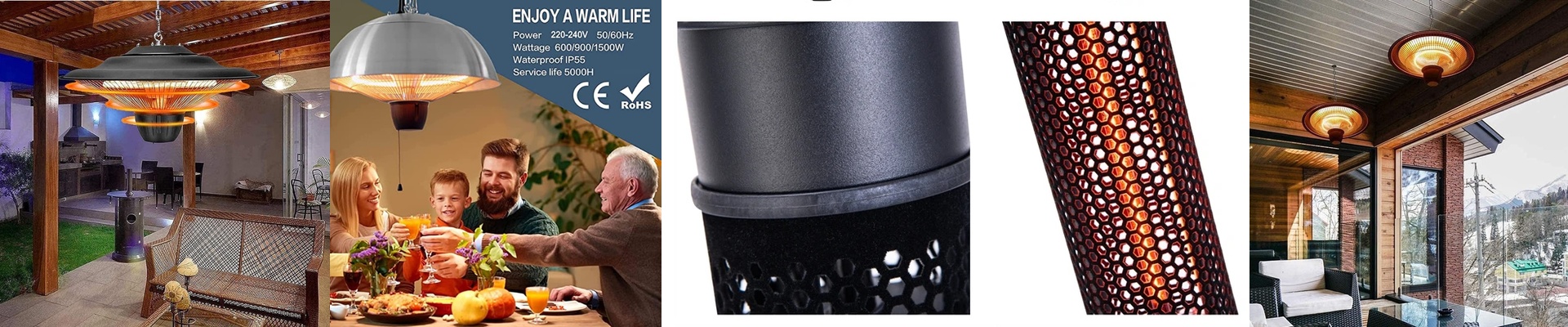
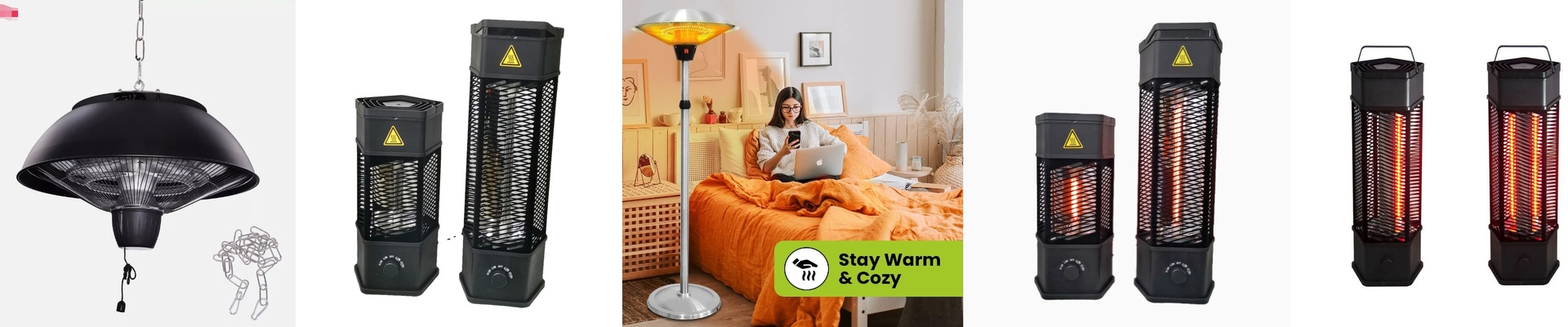
Most people look at those infrared lamps in the ceiling and just think, “Oh, a heater.” But if you look at it from an engineering perspective, it’s actually a clever way to play with light to keep your walls dry. In a bathroom, your biggest headache is that heavy, stagnant air and the mold that loves to eat your grout.
How it actually works
We use shortwave infrared (SWIR) emitters in these units. Now, here’s the thing: unlike a standard heater that just warms up the air, SWIR actually sinks into the surface of your walls and floors. It bumps the temperature of the material up so it stays above the dew point. Since the wall is warmer than the air around it, water can’t settle there.**No condensation, no food for mold.**Simple as that.
Targeting the water
We’ve tuned these lamps to hit specific wavelengths that basically “shake up” water molecules. This creates a little dry zone right under the lamp. Instead of just making the room feel cozy, you’re actively forcing moisture out of the tiles and grout. It’s like having a dehumidifier that works passively. But you have to get the power right. If you go too low, you’ll feel a bit of warmth, but your walls will stay damp. Go too high, and you might start stressing your fixtures. It’s all about that sweet spot.
The “Gotchas” of installation
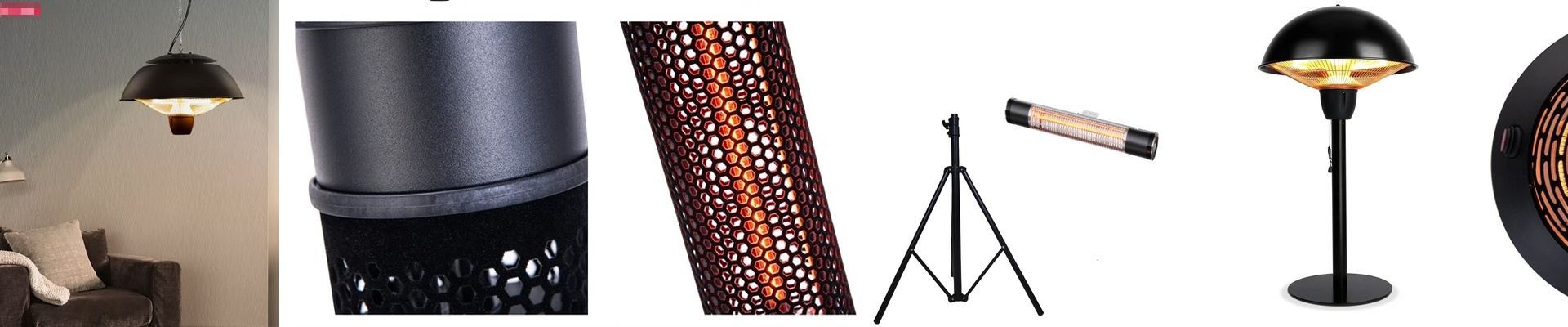
If you’re putting these into a ceiling, don’t just wing it. You need a dedicated circuit. Those high-wattage quartz tubes pull a lot of juice the second you flip the switch. And please, make sure your contractors use heat-resistant wiring. I’ve seen cheap PVC insulation melt and burn out because it was sitting too close to the housing. Not a great look. One last thing: these lamps aren’t a magic replacement for your exhaust fan. They handle the moisture sitting on the surfaces, but you still need that fan to push the damp air out of the house. Pair the two together, and you can finally stop worrying about mold taking over your shower.