Getting Your Krones Contiform Heat Profiles Just Right
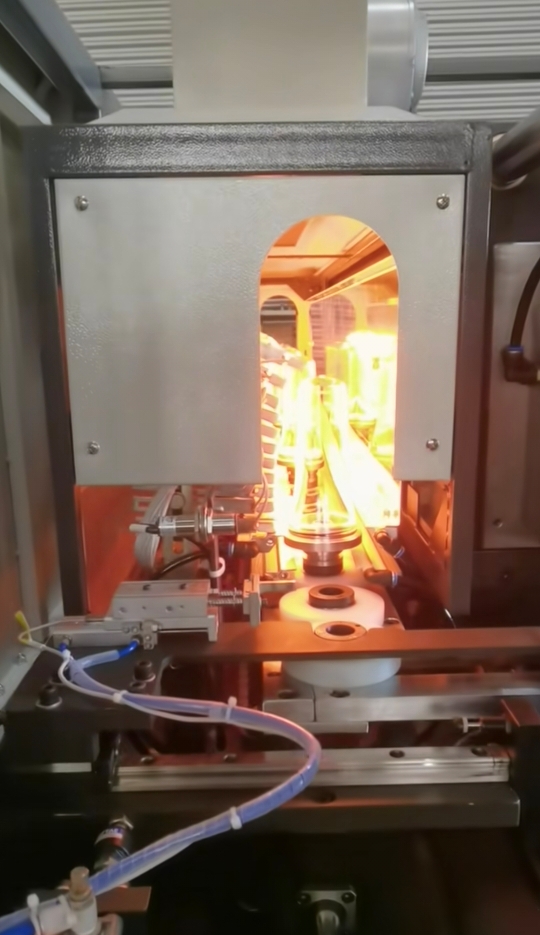
If you’re running a Krones Contiform or a KOSME KSB 4000/6000, you already know the struggle. Keeping that heating oven dialed in is a balancing act. You need the right wattage and the right spectral output, or things go south fast. And let’s be honest—OEM costs can be a nightmare. When those prices spike, you need a replacement that actually works without messing up your PET preform’s wall thickness. The electrical side of things These lamps run on high-voltage circuits to pump out the kind of short-wave infrared (IR) radiation that softens PET in a flash. We make sure our tubes match the voltage and wattage of the KSB series exactly. Why? Because if the wattage is off, you get current imbalances. That leads to “cold spots,” and that’s when you start seeing blow-outs during the stretching phase. It’s a headache you just don’t need. Better glass, less hassle We use heavy-wall quartz glass. It has to be tough to handle the thermal shock of rapid cycling. Plus, we use a halogen cycle. This stops the tungsten filament from evaporating and sticking to the tube walls. You know that “blackening” effect that kills your heat transfer? Yeah, this stops that. As for the fit? They use standard R7s or Sk15 connectors. They just slide right into your existing sockets. No rewiring. No weird modifications. It just works. The real-world catch Here’s the thing: we’re pushing for high heat density so your preform hits that glass transition temperature in seconds. But there’s a trade-off. Running these lamps at full tilt puts a lot of pressure on your oven’s ventilation. If your blowers are clogged or just tired, the ambient heat builds up. That’s a shortcut to burning out your lamps way too early. Keep your airflow clear and your lamps will actually last. Switching to these technical equivalents is a simple way to stop overpaying for maintenance while keeping your blow-molding cycle steady.