
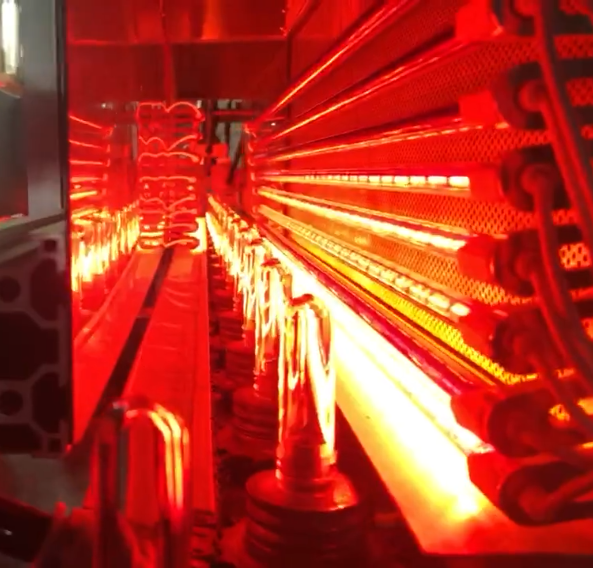
Making Your PET Blow Molding Lamps Actually Work
If you’re running Krones Contiform machines, you know the struggle. You need that preform to hit the glass transition temperature perfectly—not too cold, and definitely not scorched. We spent a lot of time figuring out how to make replacement IR lamps that just work. Whether you’re using Krones or almost any other brand on the planet, we’ve focused on the physical and electrical footprints so you don’t have to play a guessing game. Let’s talk power. Industrial ovens are demanding. If the wattage and voltage aren’t a perfect match for your OEM specs, your heat flux goes wonky. We use high-wattage shortwave lamps because they pack a punch, which means your cycle times drop. But a quick word of advice: keep an eye on your power supply. If you’ve got voltage spikes hitting your system, it doesn’t matter whose lamp you buy—the filament is going to pop. The build quality We use heavy-wall quartz glass. Why? Because when things get screaming hot, cheap tubes bow. Ours stay straight. We also baked in a halogen cycle. It basically catches the evaporated tungsten and puts it back on the filament so your lamps don’t dim out after a few weeks. As for the fit, we use standard R7s or Sk15 connectors. They’re drop-in replacements. No rewiring, no hacking the lamp holders, no headache. Just plug them in and get back to work. Real-world advice for the shop floor These are built for high-output production. The shortwave radiation hits the plastic fast, and since we keep these in stock, you won’t have to wait weeks for an OEM shipment while your line sits idle. One thing to watch out for, though. When you run these at full tilt, your oven’s cooling fans have to work harder. If your vents are clogged with dust, the end caps will overheat and the lamps will die early. While you’re swapping the lamps, do yourself a favor:**wipe down your reflectors.**If they’re dirty, you’re wasting heat. It takes two minutes and keeps everything running lean.