

Making SACMI PET Lamps Actually Work (Without the Headache)
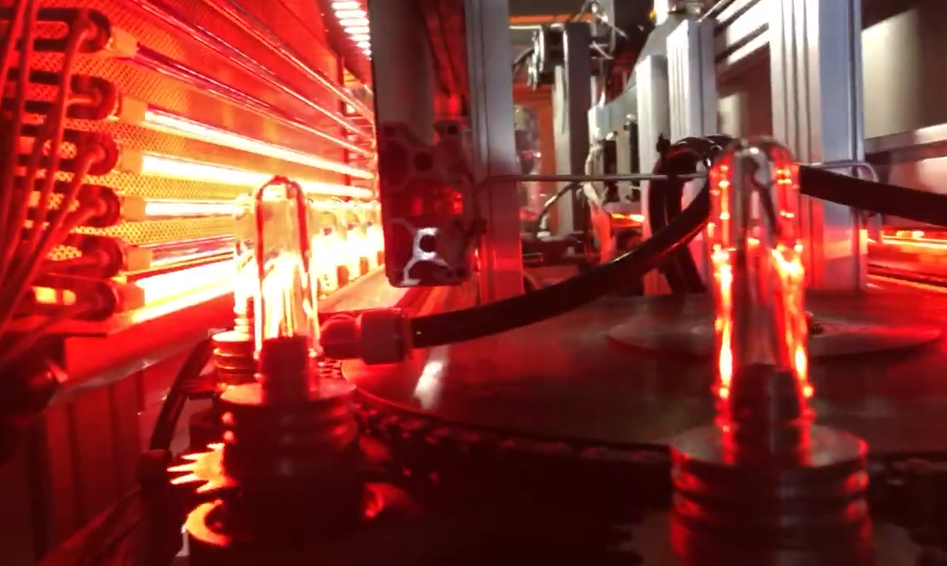
Look, if you’re running a high-speed PET blowing line, you know the drill. One lamp burns out and suddenly your whole production line is just a very expensive piece of stationary metal. It’s frustrating. That’s why we build our replacement lamps to be true “drop-ins.” Whether you’re using SACMI or another big global brand, we focus on the actual physics of shortwave infrared so you can just swap them out and get back to work. The nitty-gritty on heat Here’s the thing: your preforms need a very specific amount of heat to soften. Too little, and they won’t blow. Too much, and you’re scorching the plastic. We match the wattage and voltage footprints your OEM controllers expect. Whether you’re on 230V or 400V, we calibrate the resistance wire to hit that target temperature in milliseconds. If the voltage is even slightly off, you’ll start seeing uneven heating or—even worse—lamps that die way too early. Glass and connections (where things usually go wrong) We use high-purity quartz glass. Why? Because these things go through a brutal cycle of heating and cooling, and cheap glass just can’t handle that kind of thermal shock. Some of our tubes even have a special coating that pushes the heat forward onto the preform instead of wasting it on your machine frame. But the real danger zone is the connection. Most “universal” lamps fail here. We stick to R7s and SK15 sockets so the lamp actually seats firmly. If it’s loose, you get an arc. That arc will melt your socket and kill your new lamp in a matter of hours. Nobody wants to deal with that. A quick tip before you install Because these lamps pack so much heat density, they work in about 95% of the blower lines out there. We keep the lengths and diameters standard for a reason. But a word of advice: these high-wattage lamps put a lot of pressure on your cooling blowers. If your vents are clogged with dust or grime, the heat will build up and fry the lamp regardless of who made it. Do yourself a favor—check your airflow before you wire everything up. It’ll save you a lot of grief down the road.