Getting Your SIG Blomax 4 Heating Back on Track
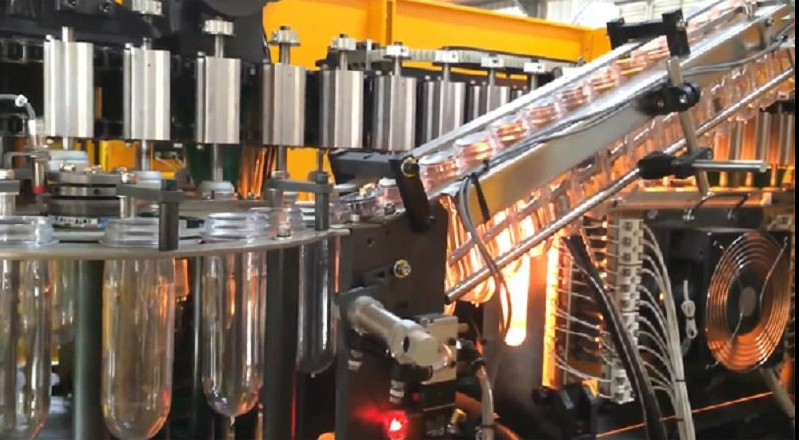
When your infrared lamps start wearing out in a SIG Blomax 4, it’s easy to think of it as just “losing heat.” But it’s actually more about control. If your thermal profile is off, you start seeing those annoying wall thickness variations and your cycle speeds take a hit. Here is the real deal on getting it right. The trick with the heat profile The Blomax 4 uses shortwave infrared to get that PET resin soft and ready without melting the neck. When you pop in new lamps, you’re basically resetting the heat density. If you go with a lamp that has too much wattage per centimeter, you’re going to scorch the plastic. It happens. That’s why we make our replacements match the original footprint exactly. It keeps the gap between the lamp and the preform consistent, so you don’t have to guess. The gear under the hood We use high-purity quartz glass because these things take a beating with the constant rapid cycling. We also add specific coatings to the lamps. This pushes the energy into the PET material where it belongs, instead of just heating up the oven walls. As for the installation? It’s simple. The connectors are standard industrial interfaces. You just drop them in. No need to spend your afternoon rewiring control cabinets. What this actually does for your production New lamps mean shorter warm-up times and a heating zone that actually stays stable. That’s the part you’ll actually feel. You can push the machine faster. Your bottle weights stay consistent. Fewer rejects in the bin. It just runs smoother. But there is one thing to watch out for. More heat means your oven’s exhaust system has to work harder. If you decide to go with higher-output lamps, take a look at your cooling fans. If the oven can’t dump that extra heat, your electronics might get too hot, or the preform necks could soften and deform during the blow stage. Just make sure your lamp wattage plays nice with your cooling capacity.