Getting Your SIPA Preform Heating Just Right
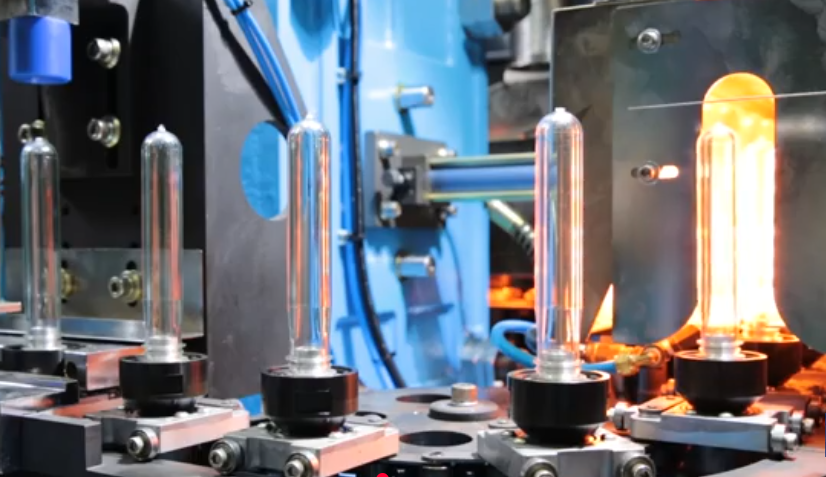
Ever notice your SIPA rotary machines acting up with weird heating fluctuations? Usually, it comes down to a power mismatch. Here’s what happens: you mix in a few lamps with different wattages, or you’re running old filaments that have seen better days, and suddenly your preforms aren’t softening evenly. You end up with bottles that have thin walls in some spots and thick ones in others. It’s a headache. We fix this by making IR lamps that hit the exact power specs SIPA asked for. No guessing. Why consistency actually matters It’s not just about what the label says. It’s about how the voltage and resistance play together to create heat. If a lamp is off by even 5% across a bank, you get “cold spots” on your preform. Then, the temptation is to just crank up the machine settings to make up for those weak bulbs. Bad idea. We calibrate our filaments so the heat stays steady from end to end, meaning you can leave your settings alone. The nitty-gritty on the build We use high-purity quartz glass because it can handle the shock of rapid heating and cooling without cracking. We also obsess over the connectors—usually R7s or SK15. If a connection is loose, you get resistance. That creates heat right at the socket instead of in the filament, which is why so many sockets burn out. We keep our tolerances tight so the lamps just slide right in. No forcing, no fighting with the hardware. The trade-off you need to know about High-wattage lamps are great for fast cycle times, but they come with a catch. Running them at 100% puts a massive load on your cooling blowers. If your filters are clogged or your airflow is weak, the housing will overheat and your filaments will die way sooner than they should. Just make sure your cooling system can actually handle the heat your lamp bank is throwing out. It’ll save you a lot of downtime.