Keeping Your Bathroom Heater Safe (And Your Toes Warm)
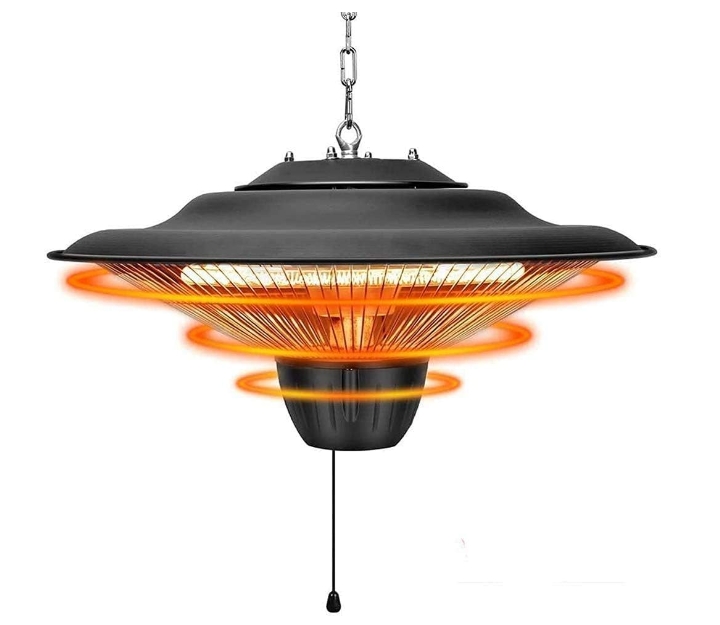
Putting an infrared heater in a bathroom is a bit of a gamble. You’ve got steam everywhere and water splashing around. It’s the perfect recipe for a short circuit if you aren’t careful. To keep things safe, we focus on three things: how the box is built, how tight the seals are, and how well the electricity is locked away from the metal.
Why IP65 Actually Matters
You’ll see “IP65” on the box, but what does that actually mean for you? Basically, it means the thing is dust-tight and can handle water jets coming at it from any angle. We use silicone gaskets and tough polymer seals around the lamp housing. Why? Because if steam sneaks inside the chassis, it creates a path for electricity to travel where it shouldn’t. That’s how you end up with a dead heater or, more likely, your RCD tripping the moment you turn the shower on.Nobody wants to be standing in a cold bathroom in the dark.
Getting the Insulation Right
The heating element needs to be completely separate from the metal frame. We use high-temp ceramic insulators to handle that. Here’s the tricky part: infrared lamps get incredibly hot. That quartz tube actually expands and shifts as it heats up. We design the mounts to give the lamp a little room to breathe and move without closing the gap between the live wire and the metal frame. For the wiring, we don’t use cheap stuff. We go with fluoroplastic (FEP) or silicone-coated cables. These can handle the constant “hot-cold-hot” cycle of a bathroom without cracking or peeling. We also use moisture-proof connectors, because the joints are usually where things go wrong first.
The Trade-offs
Nothing is perfect. To keep you safe, we need enough space for “creepage and clearance”—basically, enough air between the electrics and the shell. This means the heater might be a bit bulkier than a non-waterproof version. You trade a little bit of compactness for total peace of mind. Plus, those IP65 seals are so good at keeping water out that they can trap heat inside. To stop the internal parts from cooking themselves, we make sure the outer chassis has plenty of surface area to bleed off that heat. It’s a balancing act, but it’s the only way to make a heater that lasts.