
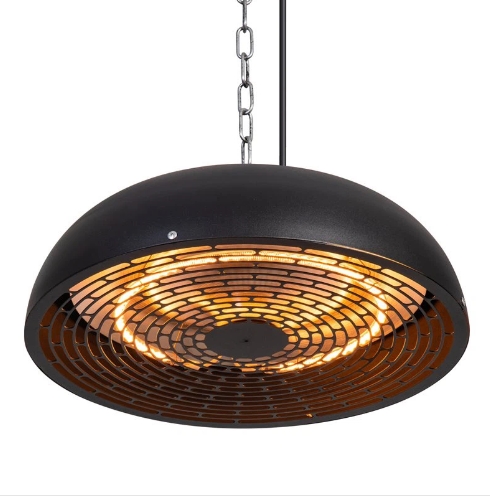
How to Actually Get Heat in a Damp Space
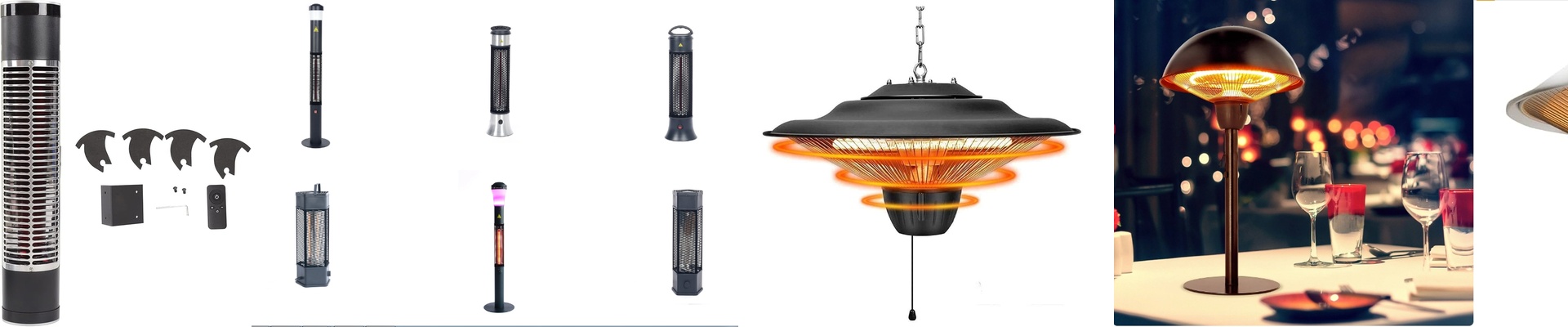
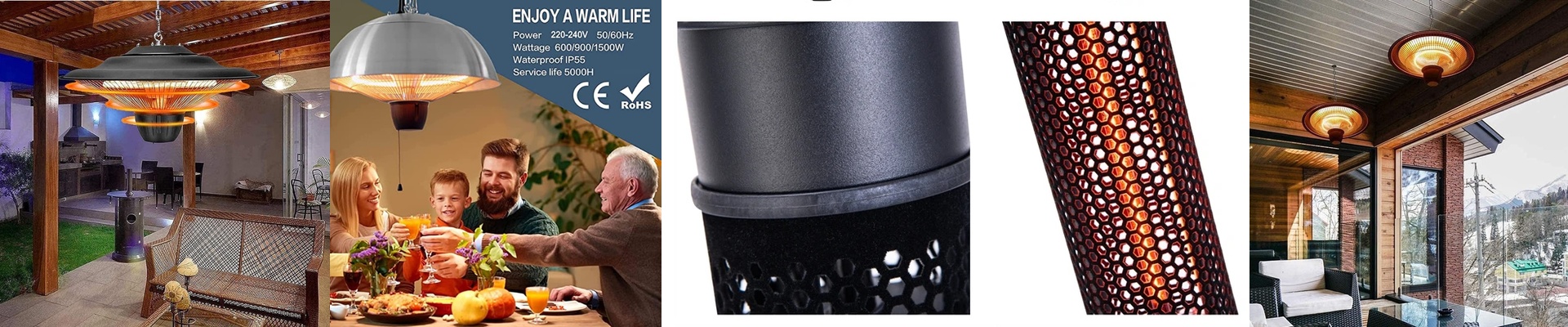
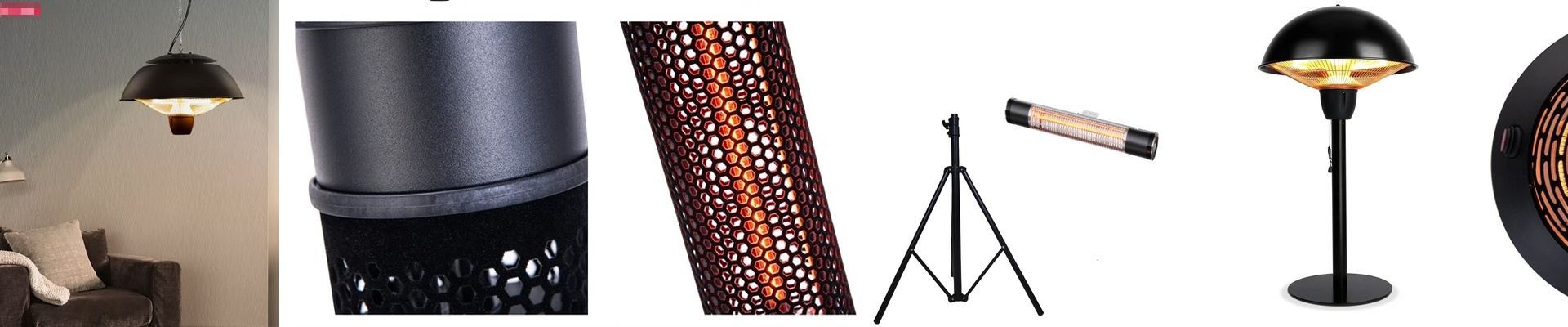
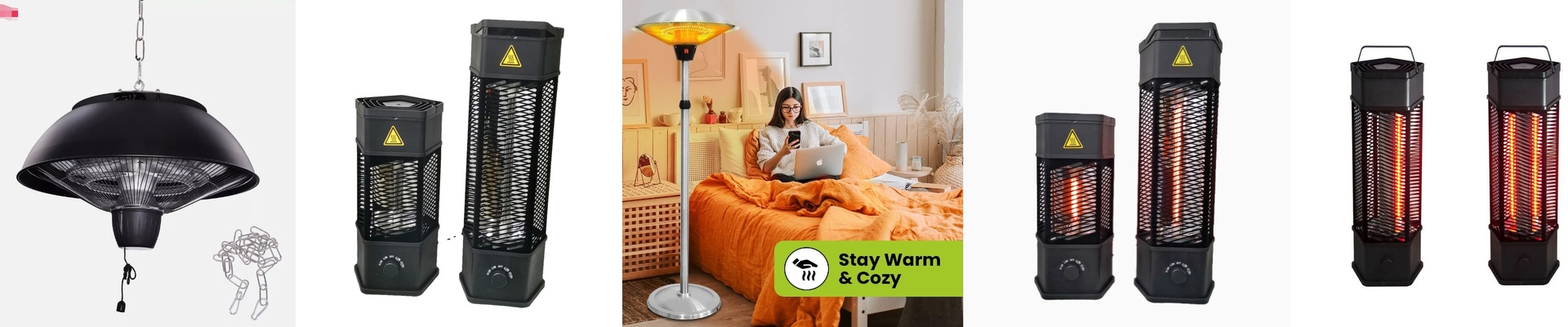
If you’ve ever tried to warm up a wet patio or a drafty changing room, you know the struggle. You turn on a heater, wait ten minutes, and the air is still freezing. That’s because traditional heaters try to warm the air first. But in a humid, open area? That heat just floats away. We do things differently. We use short-wave infrared (IR). Instead of fighting with the air, the heat skips right over it and hits you directly. It’s the difference between waiting for a room to warm up and feeling the sun hit your face on a cold morning. **It’s instant.**You flip the switch, and you feel it. No warm-up cycle, no waiting around. Just immediate warmth. But putting electronics in a wet zone is always a gamble. Steam and moisture love to find their way into circuits, and once they do, things start to corrode and burn out. To stop that from happening, we wrap everything in heavy-duty, waterproof enclosures. We seal the heating elements in quartz glass and use tight gaskets on all the wiring. It keeps the steam out of the guts of the machine, which means you aren’t replacing your heaters every single season. Now, there are a few things to keep in mind when you’re actually putting these in. First, these units pull a lot of power. If your wiring isn’t thick enough to handle the load, you’ll deal with voltage drops, and that’s a headache you don’t want. Then there’s the placement. This is where people usually mess up. If you mount the heater too low, you’re going to scorch whatever is underneath it. Too high? And that “luxury” feeling disappears because the heat dissipates before it reaches the person. It’s all about finding that sweet spot. We usually map out the floor plan and calculate the exact height based on how much heat you need per square meter. Get the distance right, and it feels amazing. Get it wrong, and it’s just a waste of electricity.